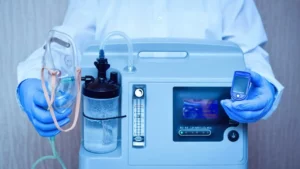
What Is Home Oxygen Therapy and Why Is Choosing the Right Device Important?
Home oxygen therapy delivers supplemental oxygen to patients with respiratory conditions who cannot maintain adequate blood oxygen levels naturally. This medical treatment helps individuals with chronic obstructive pulmonary disease (COPD), emphysema, pulmonary fibrosis, and other lung conditions breathe easier and improve their quality of life.
Selecting the right oxygen delivery device directly impacts treatment effectiveness and daily comfort. The wrong choice can lead to:
- Interrupted therapy when devices fail or run out of oxygen at critical moments
- Reduced mobility if equipment proves too heavy or cumbersome for daily activities
- Financial strain from unexpected costs or inefficient oxygen delivery systems
- Inadequate oxygen supply that doesn’t meet prescribed flow rates
Your lifestyle, medical needs, and home environment all play crucial roles in determining whether an oxygen tank or oxygen concentrator serves you best. Understanding how each device works helps ensure continuous, reliable therapy that fits seamlessly into your routine.
How Do Oxygen Tanks Work and What Are Their Key Features?
Oxygen tanks store medical-grade oxygen in either compressed oxygen gas form or as liquid oxygen, both contained in durable metal cylinders. Compressed gas tanks hold oxygen at high pressures (typically 2,000-3,000 PSI), while liquid oxygen systems store oxygen in its cryogenic state at extremely cold temperatures, allowing more oxygen to fit in a smaller container.
The delivery system requires a regulator attached to the tank’s valve that reduces the high-pressure oxygen to a safe, breathable level. A flow meter then controls the precise amount of oxygen released per minute, measured in liters per minute (LPM). Patients receive oxygen through nasal cannulas or masks connected to this equipment via tubing.
Storage and Portability Challenges
Tanks present significant mobility limitations due to their weight and size. Standard home tanks can weigh 50-100 pounds when full, requiring wheeled carts for movement. Even smaller portable tanks weigh 5-15 pounds, creating challenges for patients with limited strength or mobility. Storage demands careful attention—tanks must remain upright in well-ventilated areas away from heat sources, open flames, and flammable materials.
Key Advantages
The independence from electrical power stands as the primary benefit of oxygen tanks. During power outages, natural disasters, or in locations without reliable electricity, tanks continue delivering life-sustaining oxygen without interruption. This reliability makes them essential backup devices for many patients.
Notable Drawbacks
The finite oxygen supply creates ongoing maintenance demands. Compressed gas tanks typically last 4-8 hours at common flow rates, while liquid oxygen systems may last several days. Patients must schedule regular refills or cylinder exchanges, coordinating with suppliers and managing delivery logistics. The weight factor significantly restricts spontaneous travel and daily activities, particularly for elderly patients or those with physical limitations. Tank replacement costs accumulate monthly, creating a continuous financial obligation beyond the initial equipment expense.
How Do Oxygen Concentrators Function and What Sets Them Apart?
Oxygen concentrators work by pulling in room air and processing it through sophisticated air filtration systems to separate oxygen from nitrogen and other gases. The device uses a molecular sieve bed containing zeolite crystals that trap nitrogen molecules while allowing oxygen to pass through. This filtered oxygen, now concentrated to 87-95% purity, flows directly to the patient through a nasal cannula or mask. The nitrogen is safely released back into the room.
The technology requires either a wall outlet connection for stationary models or rechargeable batteries for portable versions. Home concentrators typically plug into standard electrical outlets and can run continuously as long as power remains available. Portable units offer freedom of movement but depend on battery capacity, which typically lasts 2-8 hours depending on the model and flow rate setting.
What Makes Concentrators Advantageous?
The continuous operation capability stands out as the primary benefit. Patients never worry about running out of oxygen mid-treatment since the device constantly produces fresh oxygen from ambient air. Modern concentrators operate at whisper-quiet levels, often below 45 decibels, making them suitable for nighttime use without disturbing sleep.
Flow control precision represents another significant advantage. Digital displays and adjustable settings allow exact dosing from 0.5 to 10 liters per minute, depending on the model. This precision helps patients receive their prescribed oxygen levels consistently.
What Are the Key Limitations?
Power dependency creates the most significant constraint. During electrical outages, stationary concentrators become non-functional unless paired with a backup generator. Portable models face similar challenges when batteries drain, requiring access to charging stations during extended outings.
Battery-powered units add weight considerations. While lighter than traditional oxygen tanks, portable concentrators with batteries typically weigh 4-10 pounds, which may challenge patients with limited mobility or strength. The need to plan charging schedules and carry spare batteries adds complexity to travel arrangements.
Which Device Is Better Suited for Patients’ Needs?
Does your patient prescription determine which device works best? Your doctor’s prescribed flow rate requirements directly influence whether a tank or concentrator suits your therapy. Concentrators typically handle continuous flow rates up to 5-6 liters per minute, making them ideal for most standard prescriptions. Patients requiring higher flow rates or pulse dose delivery may need specific portable concentrators like the ones discussed in this guide on getting started with portable oxygen concentrators or larger stationary units.
Oxygen tanks excel when prescriptions call for intermittent use or emergency backup. They deliver consistent flow rates regardless of environmental conditions, making them reliable for patients with variable oxygen needs throughout the day.
Where and how often will you use oxygen therapy? Location and frequency shape your device selection significantly. Patients spending most time at home benefit from stationary concentrators that provide unlimited oxygen without refill hassles. The device plugs into a standard outlet and runs continuously, eliminating concerns about depleting supply during sleep or extended use. For more insights on using these devices, you can refer to this comprehensive resource on your oxygen equipment.
Active patients who travel frequently or work outside the home face different considerations. Portable concentrators with rechargeable batteries offer freedom of movement for errands, social activities, and travel. Battery life typically ranges from 2-8 hours depending on flow settings and model.
Patients splitting time between multiple locations might need dual setups—a stationary concentrator at home and portable tanks for outings. This combination addresses both extended home use and short-term mobility needs without compromising therapy consistency.
How Do Budget Considerations Influence the Decision?
Upfront cost comparison reveals oxygen tanks as the more affordable initial option. A basic tank setup typically costs between $100-$300, making it accessible for patients with limited budgets or those uncertain about long-term oxygen therapy needs. Oxygen concentrators require a significantly higher initial investment, ranging from $600 for basic stationary models to $3,000+ for advanced portable units.
The financial picture shifts dramatically when examining ongoing expenses. Oxygen tanks demand regular refills or replacements, creating recurring costs that accumulate over time:
- Tank refills: $5-$30 per refill depending on tank size and supplier
- Delivery fees: Additional charges for home delivery services
- Replacement tanks: Costs for damaged or expired cylinders
Concentrators operate on electricity, with monthly costs typically between $20-$40 based on usage hours and local utility rates. Portable concentrator batteries add $200-$400 per replacement battery every 2-3 years.
Patients using oxygen therapy for 15+ hours daily often find concentrators more economical within 12-18 months despite the higher purchase price. Insurance coverage plays a critical role—many plans cover rental or purchase of either device, though coverage percentages and out-of-pocket maximums vary significantly. Medicare typically covers 80% of approved equipment costs after deductible requirements are met.
Read more about Portable Oxygen Cylinder Guide: How to Choose Safely and Conveniently.
What Backup Options Should Be Considered for Continuous Therapy?
Uninterrupted oxygen therapy requires reliable backup oxygen solutions to prevent dangerous gaps in treatment. Power outages, equipment malfunctions, or unexpected maintenance can leave patients vulnerable without alternative oxygen sources.
Most healthcare providers recommend a dual-system approach. An oxygen concentrator serves as the primary device for daily home use, while oxygen tanks function as emergency backup. This combination addresses the concentrator’s main vulnerability—its dependence on electricity—while minimizing the inconvenience of frequent tank refills.
Recommended Backup Options
- Oxygen Concentrator: The primary device for daily home use.
- Oxygen Tanks: Emergency backup solution.
Patients should maintain at least one fully-charged portable oxygen tank or a small backup concentrator with battery capability. The backup supply should provide enough oxygen to last through typical power outages in your area, usually 4-8 hours minimum. Some patients in regions with frequent electrical disruptions keep multiple tanks or invest in home generators.
Regular Maintenance and Testing
Regular testing of backup equipment ensures functionality when needed. Check tank pressure gauges monthly and verify that backup concentrators power on correctly. Your oxygen supplier can help determine appropriate backup capacity based on your prescribed flow rate and local conditions.
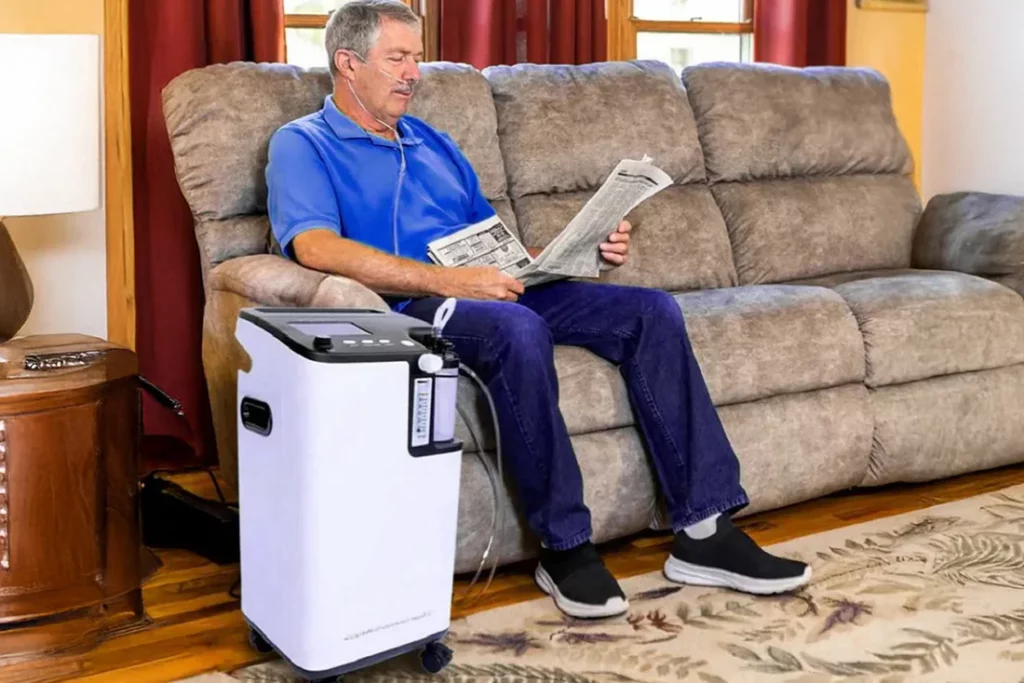
Which Device Is Better for Home Therapy?
There is no single “best home oxygen device”—the right choice depends entirely on your specific circumstances. When deciding between Oxygen Tank vs Oxygen Concentrator: What’s Better for Home Therapy?, your medical needs, lifestyle, and resources determine the answer.
Understanding Oxygen Tanks
Oxygen tanks deliver a finite supply without electricity, making them reliable during outages but requiring regular refills. They’re heavier and less convenient for daily mobility.
Understanding Oxygen Concentrators
Concentrators provide unlimited oxygen while powered, operate quietly, and offer superior flow control. They require electricity or battery power, creating dependency on energy sources.
Factors to Consider
Your prescription’s flow rate requirements may eliminate certain options. Someone needing high-flow oxygen might require specific equipment capabilities. Travel frequency affects whether portability matters more than home convenience.
Budget plays a significant role—tanks cost less initially but accumulate refill expenses, while concentrators demand higher upfront investment with lower ongoing costs.
Most patients benefit from a hybrid approach: a concentrator handles daily needs while tanks provide emergency backup. Consult your healthcare provider and oxygen supplier to design a system matching your medical requirements, activity level, and living situation.