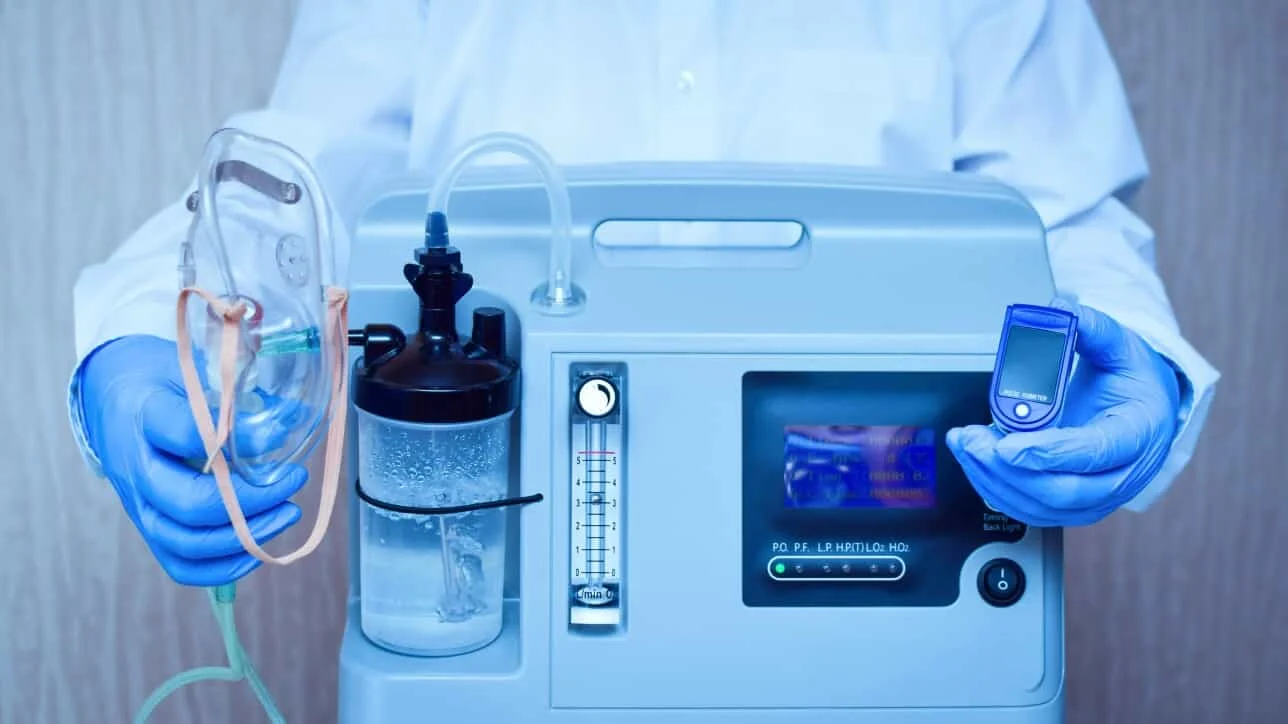
What Are Portable Oxygen Cylinders and Why Are They Important for Respiratory Patients?
Portable oxygen cylinders are compact medical devices that deliver supplemental oxygen to individuals with respiratory conditions such as COPD, emphysema, or pulmonary fibrosis. These cylinders store oxygen under pressure, allowing patients to maintain adequate blood oxygen levels while moving freely throughout their daily activities.
The importance of portable oxygen cylinder for respiratory patients extends beyond basic medical necessity. They restore independence by enabling patients to:
- Leave their homes for appointments, social gatherings, or errands
- Maintain physical activity without experiencing dangerous oxygen desaturation
- Travel safely with a reliable oxygen source
- Reduce hospitalization risks by ensuring consistent oxygen therapy
Without portable oxygen access, respiratory patients often face severe limitations in mobility and quality of life. Choosing the right system requires understanding various factors including cylinder types, weight considerations, and safety requirements. This guide addresses these critical decision points to help patients select equipment that matches their medical needs and lifestyle preferences.
What Types of Portable Oxygen Delivery Systems Are Available?
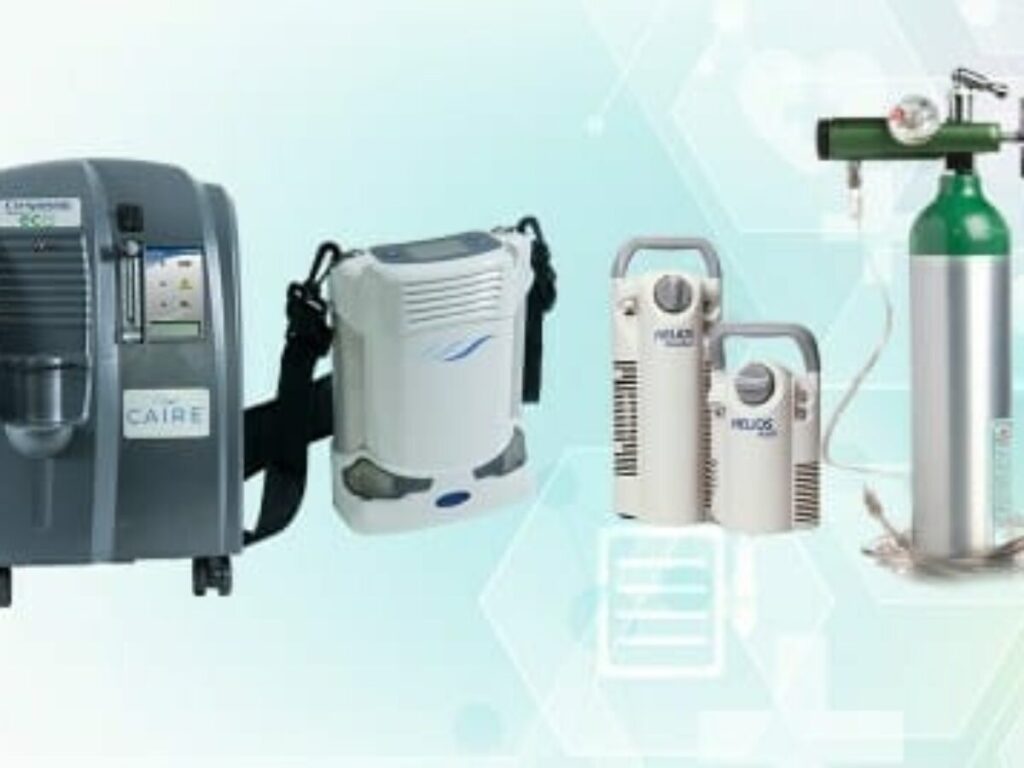
There are three main types of oxygen delivery systems designed for respiratory patients. Each system has its own features and uses, catering to different medical needs and lifestyle choices.
1. Compressed Gas Cylinders
Compressed Gas Cylinders store oxygen under high pressure in metal containers. These cylinders contain pure oxygen in gaseous form, typically pressurized between 2,000 to 3,000 PSI. They range from small, portable units weighing around 3 kg to larger tanks for extended use. The oxygen supply duration depends on cylinder size and prescribed flow rate—a small cylinder delivering 2 liters per minute typically lasts 3-4 hours.
2. Oxygen Concentrators
Oxygen Concentrators extract oxygen from ambient air using electrical power and molecular sieve technology. Portable models feature rechargeable batteries enabling 4-12 hours of operation depending on settings. These devices deliver oxygen through continuous flow or pulse dose modes, with pulse dose systems releasing oxygen only during inhalation to maximize battery efficiency. Weight ranges from 2-7 kg for portable units.
3. Liquid Oxygen Systems
Liquid Oxygen Systems store oxygen in cryogenic form at extremely low temperatures (-183°C). The liquid converts to gas when warmed, expanding 860 times its liquid volume. This technology provides the longest ambulatory duration relative to weight—a portable unit weighing 4 kg can supply oxygen for 8-10 hours at 2 liters per minute. Patients refill portable units from larger stationary reservoirs at home.
How Size and Weight Affect Portability in Portable Oxygen Cylinders
The size of a portable oxygen cylinder directly affects how easy it is for you to move around with the device. Smaller cylinders, which are about 53 cm tall and weigh around 3 kg, offer great mobility but usually only hold 430 liters of oxygen. This means you’ll have a limited amount of time using it before needing to refill.
The Impact of Cylinder Weight on Daily Activities
The balance between the weight of the cylinder and how much oxygen it can hold plays a crucial role in your daily activities. Heavier cylinders can provide more oxygen for a longer period, but they can also make it harder for you to move around. This is especially true for patients who may not have much physical strength or those who are dealing with multiple health issues.
Mobility Aids for Oxygen Cylinders
To help with this challenge, there are various mobility aids designed specifically for oxygen cylinders. These aids can help bridge the gap between your need for more oxygen capacity and your ability to move practically:
- Wheeled trolleys: These trolleys come with secure straps that distribute the weight evenly, reducing any physical strain on your body.
- Backpack carriers: These carriers allow you to keep your hands free while still maintaining balance as you walk.
- Shoulder bags: Shoulder bags are suitable for lighter cylinders and are perfect for short trips where you don’t need to carry much else.
- Rolling carts: These carts have comfortable handles that make it easier to pull them along during longer outings.
Additional Challenges for Patients Requiring Higher Flow Rates
Patients who require higher flow rates of oxygen face additional difficulties because larger cylinders become necessary in their case. Even a small difference of 2 kg in the weight of the cylinder can significantly impact whether someone is able to maintain independence while running errands, visiting friends or family, or going to medical appointments.
What Safety Precautions Should Be Taken When Using Portable Oxygen Cylinders?
Oxygen cylinder safety measures protect users from fire hazards, equipment damage, and potential injuries. Oxygen accelerates combustion, making proper handling critical for preventing accidents that could result in severe burns or explosions.
Essential Cylinder Inspection Before Use
Before using an oxygen cylinder, it is crucial to conduct a thorough inspection to ensure its safety and functionality. Here are the key areas to check:
- Visible damage: Inspect the cylinder body for any signs of visible damage such as dents, scratches, or corrosion. If you notice any significant damage, do not use the cylinder and report it to the appropriate authority.
- Valve assembly: Examine the valve assembly carefully for any cracks or defects. The valve is a critical component that controls the flow of oxygen, so it must be in perfect condition.
- Connections: Ensure that all connections are tight and secure without forcing them. Loose connections can lead to leaks and compromise the safety of the system.
- Leak test: Perform a leak test by applying soapy water to all connections. If you see bubbles forming, it indicates that oxygen is escaping and requires immediate attention.
Storage and Handling Require Specific Precautions
To ensure the safe storage and handling of oxygen cylinders, follow these precautions:
- Upright position: Always store cylinders upright using straps or stands to prevent them from tipping over. This position helps maintain stability and reduces the risk of accidents.
- Avoid oils and greases: Keep cylinders away from oils, greases, and petroleum-based products as these substances can react with oxygen and pose a fire hazard.
- Distance from heat sources: Maintain a safe distance between cylinders and heat sources such as heaters, furnaces, or any open flames. Heat can increase the pressure inside the cylinder and potentially lead to an explosion.
- No smoking areas: Establish designated no smoking areas around oxygen storage locations. Smoking near oxygen cylinders is extremely dangerous and should be strictly prohibited.
- Well-ventilated spaces: Store cylinders in well-ventilated spaces to prevent oxygen accumulation in case of leaks. Good ventilation helps disperse any escaped oxygen and reduces the risk of fire or explosion.
- Clear labeling: Clearly label all oxygen cylinders with “OXYGEN” signs for easy identification during emergencies. This ensures that everyone knows about the presence of oxygen and takes necessary precautions.
For more detailed information on general precautions for handling compressed gases, it’s advisable to consult specific resources.
Temperature Control Matters Significantly
Temperature control is crucial when it comes to storing oxygen cylinders. Here are some important points to remember:
- Avoid extreme heat: Never expose cylinders to extreme heat conditions such as direct sunlight or high-temperature environments. Heat increases the internal pressure of the cylinder and can lead to dangerous situations.
- No vehicle storage: Do not store oxygen cylinders in vehicle trunks or enclosed spaces where temperatures can fluctuate dramatically. Such temperature variations may compromise the integrity of the cylinder.
By following these safety precautions, you can ensure the safe use of portable oxygen cylinders while minimizing risks associated with fire hazards and equipment damage
How Do Convenience Factors Influence the Choice Between Different Oxygen Systems?
Convenience in oxygen delivery systems directly impacts daily life quality and independence for respiratory patients. The right system matches individual lifestyle patterns and activity levels.
Portable Oxygen Concentrators
Portable oxygen concentrators eliminate refill appointments entirely. These battery-powered devices extract oxygen from surrounding air, providing 8-12 hours of continuous use per charge. Users simply plug them in overnight like a smartphone. The trade-off involves carrying charging cables and planning around power availability during extended trips.
Compressed Gas Cylinders
Compressed gas cylinders operate without electricity, making them reliable during power outages or remote locations. A small cylinder typically lasts 4-6 hours at 2 liters per minute flow rate. Patients must schedule regular refills through medical suppliers or exchange programs, requiring coordination and home storage space for backup tanks.
Liquid Oxygen Systems
Liquid oxygen systems offer the longest portable duration relative to weight. A small portable unit provides 8-10 hours of oxygen while weighing just 3-4 kg. The main inconvenience involves weekly refills from a large stationary reservoir kept at home. This system demands freezer-like storage temperatures and careful handling to prevent rapid evaporation.
Battery indicators, refill schedules, and power dependencies shape daily routines differently. Active patients who travel frequently often prefer concentrators despite higher upfront costs. Those in rural areas with limited electricity access may find cylinders more practical. Evaluating typical daily activities helps identify which convenience factors matter most.
Other Resources : Hot weather risks and staying cool
What Are the Best Practices for Usage and Maintenance of Portable Oxygen Cylinders?
Proper maintenance of portable oxygen equipment requires daily inspections and systematic care routines. Check the cylinder pressure gauge before each use to monitor remaining oxygen levels, ensuring you never run unexpectedly low during activities.
Essential maintenance tips for portable oxygen equipment include:
- Inspect connections and tubing for cracks, wear, or loose fittings at least once weekly
- Clean delivery devices such as nasal cannulas and masks with mild soap and water every 2-3 days
- Replace filters in oxygen concentrators according to manufacturer specifications, typically monthly
- Monitor flow rate settings to verify they match prescribed levels before each use
- Store cylinders upright in cool, dry locations away from direct sunlight
Keep detailed records of refill dates, maintenance activities, and any equipment malfunctions. Test backup equipment regularly to ensure functionality during emergencies. For concentrators, wipe external surfaces with damp cloths weekly and check battery charge indicators daily.
Never attempt to repair cylinders yourself—contact qualified technicians for valve issues or suspected leaks. Schedule professional servicing every 6-12 months depending on usage frequency. Replace worn tubing, cannulas, and humidifier bottles according to your healthcare provider’s recommendations to maintain optimal oxygen delivery and prevent infections.
Which Selection Criteria Should Guide the Choice of a Portable Oxygen Cylinder?
Selecting the right portable oxygen system requires matching your medical requirements with practical lifestyle considerations. Your prescribed oxygen flow rate serves as the primary criterion for selecting an appropriate portable oxygen cylinder, as different systems deliver varying flow capacities measured in liters per minute.
Medical and Lifestyle Factors:
- Daily oxygen duration needs – Calculate how many hours per day you require supplemental oxygen to determine adequate supply capacity
- Mobility patterns – Active individuals benefit from lightweight systems, while those primarily using oxygen at home may prioritize longer-lasting options
- Power access – Portable concentrators need electrical charging, making compressed gas cylinders better for locations without reliable electricity
- Physical capabilities – Consider your strength and dexterity when handling equipment, especially if managing cylinders independently
Practical Considerations:
The Portable Oxygen Cylinder Guide: How to Choose Safely and Conveniently emphasizes evaluating total ownership costs beyond initial purchase prices. Rental fees, refill expenses, maintenance requirements, and replacement parts accumulate differently across system types. Insurance coverage varies significantly, with some policies covering specific delivery methods while excluding others.
Environmental factors matter when applying criteria for selecting an appropriate portable oxygen cylinder. Climate conditions affect battery performance in concentrators, while altitude impacts oxygen concentration levels. Your home storage space and vehicle transport capabilities also influence which system sizes remain practical for daily use. Click here to get more about Oxygen Tank vs Oxygen Concentrator: What’s Better for Home Therapy?
Key Tips for Transporting Portable Oxygen Cylinders Safely
Safe transport requires securing cylinders upright and using proper equipment designed for mobility. Transportation guidelines for portable oxygen cylinders emphasize stability and ventilation to prevent accidents during movement.
Essential Transport Equipment:
- Sturdy trolleys or carts with secure straps keep cylinders stable during movement
- Comfortable handles reduce strain when maneuvering through different environments
- Backpack systems distribute weight evenly for smaller cylinders
Critical Safety Measures:
Before moving any cylinder, inspect for visible damage, leaks, or loose valves. Secure the cylinder in an upright position using straps or restraints that prevent tipping. Never lay cylinders flat or allow them to roll freely in vehicles.
Environmental Considerations:
Store cylinders in well-ventilated areas during travel to disperse any potential oxygen leaks. Keep cylinders away from heat sources, direct sunlight, and confined spaces where oxygen concentration could build up. Vehicle trunks should be avoided unless proper ventilation exists.
Vehicle Transport Protocol:
Position cylinders behind front seats or in cargo areas with adequate airflow. Use non-slip mats beneath the base to prevent sliding during stops and turns. Keep windows slightly open to maintain air circulation throughout the journey.
This Portable Oxygen Cylinder Guide: How to Choose Safely and Conveniently ensures respiratory patients maintain independence while prioritizing safety during transport.