It is designed to fit around real life. Most people collect the equipment, sleep in their own bed, and return it the next day for analysis and a report.
What is a home sleep study, and what does it measure?
A home sleep study Canberra service involves an overnight test completed in your own home using a compact monitoring device. It is commonly used to assess breathing-related sleep disorders, particularly obstructive sleep apnoea.
Depending on the provider and device used, the study may measure airflow, breathing effort, oxygen saturation, heart rate, snoring, and sleep position. The aim is to record how a person breathes during sleep and determine whether the airway is repeatedly narrowing or collapsing.
Who is a home sleep study in Canberra best suited to?
It suits adults who have symptoms that suggest sleep apnoea and want a faster, less disruptive pathway to answers. It is also helpful for people who struggle to sleep in unfamiliar environments.
Typical signs include loud snoring, witnessed breathing pauses, morning headaches, dry mouth, unrefreshing sleep, and daytime sleepiness. Some people pursue testing after noticing concentration problems, mood changes, or high blood pressure that is hard to control.
Why do busy adults in Canberra choose home testing over a lab?
They choose home testing because it is simpler, quicker to organise, and easier to complete. For many adults, a home setup reduces stress and produces a more typical night’s sleep.
It also avoids travel late at night, parking, and the fixed schedules of overnight sleep labs. For parents, shift workers, and professionals with early starts, home testing often feels like the only realistic option.
How does the process usually work from booking to results?
Most services follow a straightforward sequence: referral or screening, booking, equipment handover, one night of testing, then interpretation and reporting. Many clinics offer flexible pick-up and return options to suit work hours.
After the study night, the data is downloaded and reviewed. Results are typically explained in a follow-up appointment, where the clinician outlines what was found and what steps make sense next.
What happens on the night of the home sleep study?
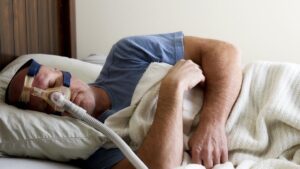
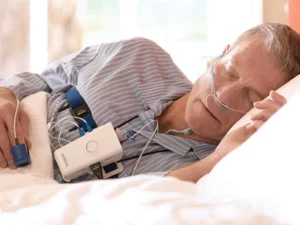
They set up the device before going to bed, following written instructions or a quick demonstration. The equipment is usually light and designed to be worn comfortably through the night.
Common components include a finger oxygen sensor, small chest bands, and a nasal cannula to track airflow. Once it is on, they sleep as normally as possible, then remove it in the morning.
How accurate is a home sleep study for sleep apnoea?
For suspected obstructive sleep apnoea, home sleep studies can be highly useful when the right patient is selected. They are widely used to confirm whether breathing disruptions are happening and how severe they may be.
However, home studies do not suit every situation. If symptoms suggest a more complex sleep condition, or if results are unclear, a clinician may recommend an in-lab polysomnography for deeper measurement of sleep stages and other factors. Click here to get more about sleep apnea test Perth: what the process involves.
What symptoms should prompt someone to book a home sleep study?
They should consider testing when sleep is consistently unrefreshing or when daytime functioning is slipping despite enough hours in bed. Snoring alone is not always a problem, but snoring with other symptoms is a common red flag.
Key prompts include choking or gasping during sleep, witnessed pauses in breathing, persistent fatigue, irritability, reduced focus, and falling asleep unintentionally. If someone drives for work, daytime sleepiness should be taken especially seriously.
What should they do before the test to get a better result?
They should aim for a typical day and night so the data reflects normal sleep. That usually means avoiding unusual naps and keeping bedtime close to their regular routine.
Most providers recommend limiting alcohol on the test night and following guidance on caffeine. They should also ask about medications, as some can affect breathing or sleep quality and may need to be noted in the report.
What do the results mean, and what happens if they are diagnosed?
Results usually summarise breathing events per hour and oxygen changes during sleep. A clinician then explains whether findings are consistent with obstructive sleep apnoea and how severe it appears.
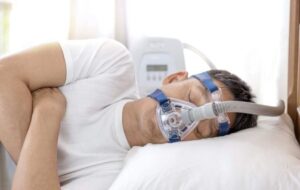
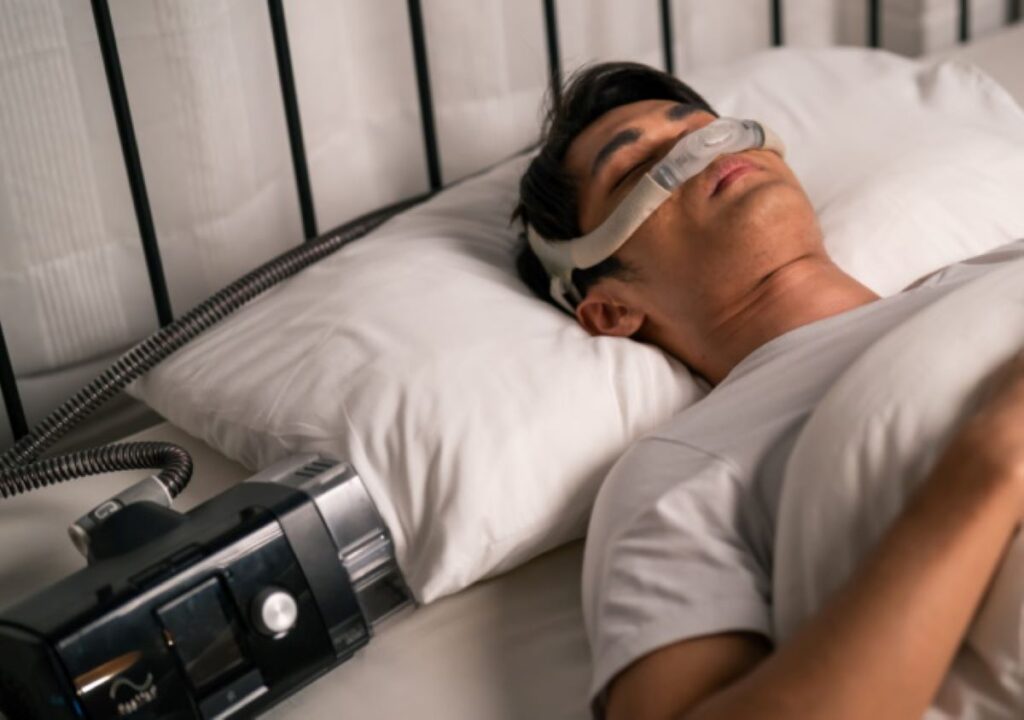
If they are diagnosed, the next step may include CPAP therapy, oral appliances, weight management strategies, positional therapy, or referral to an ENT specialist if anatomy is a factor. The plan should be tailored to symptoms, severity, and what they can realistically stick to.
How quickly can busy adults in Canberra typically get tested?
Home testing is often available faster than lab studies because it does not require an overnight bed booking. Many services can arrange testing within days, depending on demand and referral pathways.
Speed still depends on individual circumstances. If a person has significant health risks or safety-sensitive work, clinicians may prioritise earlier assessment and follow-up.
How do they choose a reputable home sleep study provider in Canberra?
They should look for clear clinical oversight, transparent pricing, and proper interpretation of results by qualified professionals. A good provider explains who reads the study, what the device measures, and what limitations apply.
It also helps when follow-up care is straightforward. Busy adults benefit from providers who can move from testing to treatment, offer CPAP trials if needed, and communicate with the patient’s GP to keep care coordinated.
What is the simplest takeaway for someone who suspects sleep apnoea?
A home sleep study in Canberra is one of the least disruptive ways for busy adults to confirm whether sleep apnoea is the real issue. It replaces guesswork with data, often without needing time off or an overnight hospital stay.
If symptoms are affecting energy, mood, or safety, testing is usually the quickest step towards getting sleep, health, and daytime performance back on track.
FAQs (Frequently Asked Questions)
What is a home sleep study and how does it help diagnose sleep disorders?
A home sleep study is an overnight test conducted at home using a small monitoring device to assess breathing-related sleep disorders, particularly obstructive sleep apnoea. It measures airflow, breathing effort, oxygen levels, heart rate, snoring, and sleep position to determine if the airway narrows or collapses during sleep.
Who should consider a home sleep study in Canberra?
Adults experiencing symptoms such as loud snoring, witnessed breathing pauses, morning headaches, dry mouth, unrefreshing sleep, daytime sleepiness, concentration problems, mood changes, or high blood pressure that is difficult to control should consider a home sleep study. It suits those seeking a faster, less disruptive diagnosis without hospital stays.
Why do busy adults in Canberra prefer home sleep studies over lab-based tests?
Busy adults choose home sleep studies because they are simpler to organise, quicker to schedule, and less disruptive. Testing at home allows for a more typical night’s sleep without the stress of travel or unfamiliar environments, making it ideal for parents, shift workers, and professionals with early starts.
What is the typical process for completing a home sleep study in Canberra?
The process involves referral or screening followed by booking the test. Patients collect the equipment from the clinic, wear it overnight while sleeping at home, then return it the next day for data analysis. Results are reviewed by a clinician who explains findings and recommends next steps during a follow-up appointment.
How accurate are home sleep studies for detecting obstructive sleep apnoea?
Home sleep studies are highly useful for diagnosing obstructive sleep apnoea when patients are appropriately selected. They effectively detect breathing disruptions and assess severity. However, more complex cases may require in-lab polysomnography for comprehensive evaluation of sleep stages and other factors.
What should patients do before their home sleep study to ensure accurate results?
Patients should maintain their usual daily routine and bedtime to reflect typical sleep patterns. Avoiding unusual naps and limiting alcohol intake on the test night is recommended. They should also follow guidance on caffeine consumption and inform clinicians about any medications that might affect breathing or sleep quality.