
Why You’re Still Tired After 8 Hours: 7 Hidden Signs of Sleep Apnea That Aren’t Snoring
You went to bed at 10:00 PM. You woke up at 6:00 AM. On paper, you did everything right. Yet, as you sit at your desk in Sydney or Melbourne, the afternoon slump hits before you’ve even finished your first flat white. You feel like you’ve pulled an all-nighter despite “sleeping” for eight hours.
If you are wondering why you’re still tired after 8 hours, you aren’t alone. In Australia, thousands of people suffer from chronic fatigue despite perfect sleep hygiene. While most people associate Sleep Apnea with loud, house-shaking snoring, there is a silent version of this condition that is arguably more dangerous because it remains undiagnosed.
This guide explores the seven hidden signs of sleep apnea that have nothing to do with snoring, focusing on why your “sleepmaxxing” efforts might be failing and what you can do to reclaim your energy.
See more: Home Sleep Study Canberra: Convenient Testing for Busy Adults
The Myth of the “Silent” Sleeper
Many Australians assume that if they don’t snore, they don’t have Obstructive Sleep Apnea (OSA). This is a dangerous misconception. Research suggests that up to 90% of sleep apnea sufferers remain undiagnosed, often because they don’t fit the “noisy sleeper” stereotype.
What is Sleep Apnea Without Snoring?
Sleep apnea occurs when your airway narrows or closes during sleep, causing you to stop breathing for short periods. While this often creates the vibration we call snoring, it doesn’t always.
In cases of Upper Airway Resistance Syndrome (UARS) or “silent” apnea, the airway restriction is subtle enough to avoid the noise but significant enough to trigger a “micro-arousal.” Your brain wakes up just enough to kickstart your breathing, shattering your sleep architecture and preventing you from reaching the deep, restorative stages of REM sleep.
7 Hidden Signs of Sleep Apnea That Aren’t Snoring
If you are logging eight hours but feeling zero benefits, look for these subtle red flags:
1. The Persistent Morning Headache
Do you wake up with a dull, throbbing sensation behind your eyes or across your forehead? These are often “hypoxic headaches.” When your breathing stops, your blood oxygen levels drop, and carbon dioxide builds up. This causes blood vessels in the brain to dilate, leading to that characteristic morning pressure that usually fades an hour after waking.
2. Chronic Brain Fog and “Executive Dysfunction”
If you find yourself staring at your computer screen unable to start a simple task, your “brain fog” might be a sleep disorder. Sleep apnea prevents the brain from clearing out metabolic waste. Without deep sleep, your prefrontal cortex—the area responsible for logic and focus—remains “offline.”
3. Waking Up with a Parched Mouth or Sore Throat
While you might not be snoring, you might be “mouth breathing” to compensate for a narrow airway. If you reach for a glass of water the second you wake up, it’s a sign that your body was struggling to move air efficiently throughout the night.
4. Frequent Nocturia (Midnight Bathroom Trips)
Most people blame their bladder for middle-of-the-night wakeups. However, when the heart struggles against a closed airway, it releases a hormone called Atrial Natriuretic Peptide (ANP). This hormone signals the kidneys to produce more urine. If you’re hitting the bathroom twice a night, it might be your heart calling for help, not your bladder.
5. Heightened Irritability and Low Mood
Sleep deprivation is a direct assault on the amygdala, the brain’s emotional center. If you find yourself snapping at colleagues or feeling uncharacteristically “blue” despite a full night’s rest, your nervous system is likely stuck in a state of high cortisol due to interrupted sleep.
6. The “Sleepmaxxing” Paradox
“Sleepmaxxing” is a growing trend in Australia where individuals use magnesium, blackout curtains, and cooling pads to optimize sleep. If you have “perfected” your environment but still feel like a zombie, the issue is likely internal (physiological) rather than external (environmental).
7. Grinding Your Teeth (Bruxism)
Dentists are often the first to catch sleep apnea. If you have worn-down enamel or a sore jaw, your body may be grinding your teeth as a survival mechanism. Moving the jaw forward is a natural reflex to keep the airway open when it starts to collapse.
Why “Sleepmaxxing” Fails for Apnea Sufferers
The “sleepmaxxing” movement focuses on duration and environment. However, sleep apnea is a quality issue. You can spend 10 hours in a cold, dark room, but if your blood oxygen drops 30 times an hour, those 10 hours are effectively worthless.
| Sleepmaxxing Habit | Why It Fails with Undiagnosed Apnea |
| Magnesium Supplements | Relaxes muscles, which can actually make the airway collapse more easily. |
| Blackout Curtains | Improves light hygiene but does nothing for oxygen saturation. |
| Wearable Trackers | Often misidentify “time in bed” as “time asleep,” missing micro-arousals. |
| Weighted Blankets | Can occasionally restrict chest expansion in those with underlying breathing issues. |
The Long-Term Impact on Australian Health
Leaving sleep apnea untreated isn’t just about being tired; it’s a systemic health risk. In Australia, untreated sleep disorders contribute significantly to:
- Cardiovascular Disease: The heart works double-time to pump oxygenated blood.
- Type 2 Diabetes: Sleep fragmentation disrupts insulin sensitivity.
- Workplace Accidents: Microsleeps are a leading cause of transit accidents in New South Wales and Victoria.
How to Screen Yourself: The STOP-BANG Method
While a clinical sleep study is the gold standard, you can use the STOP-BANG framework to assess your risk:
- S (Snore): Do you snore loudly? (Even if the answer is no, proceed).
- T (Tired): Do you feel fatigued or sleepy during the daytime?
- O (Observed): Has anyone seen you stop breathing?
- P (Pressure): Do you have high blood pressure?
- B (BMI): Is your BMI over 35?
- A (Age): Are you over 50?
- N (Neck): Is your neck circumference large?
- G (Gender): Are you male?
If you answer “yes” to 3 or more, it is time to consult a GP.
Step-by-Step: Moving from Exhausted to Empowered
If you suspect your 8 hours of sleep are a lie, follow this path:
- Track Symptoms, Not Just Sleep: Use a journal to record morning headaches and mood levels.
- Consult an Australian Sleep Specialist: Ask your GP for a referral to a respiratory or sleep physician.
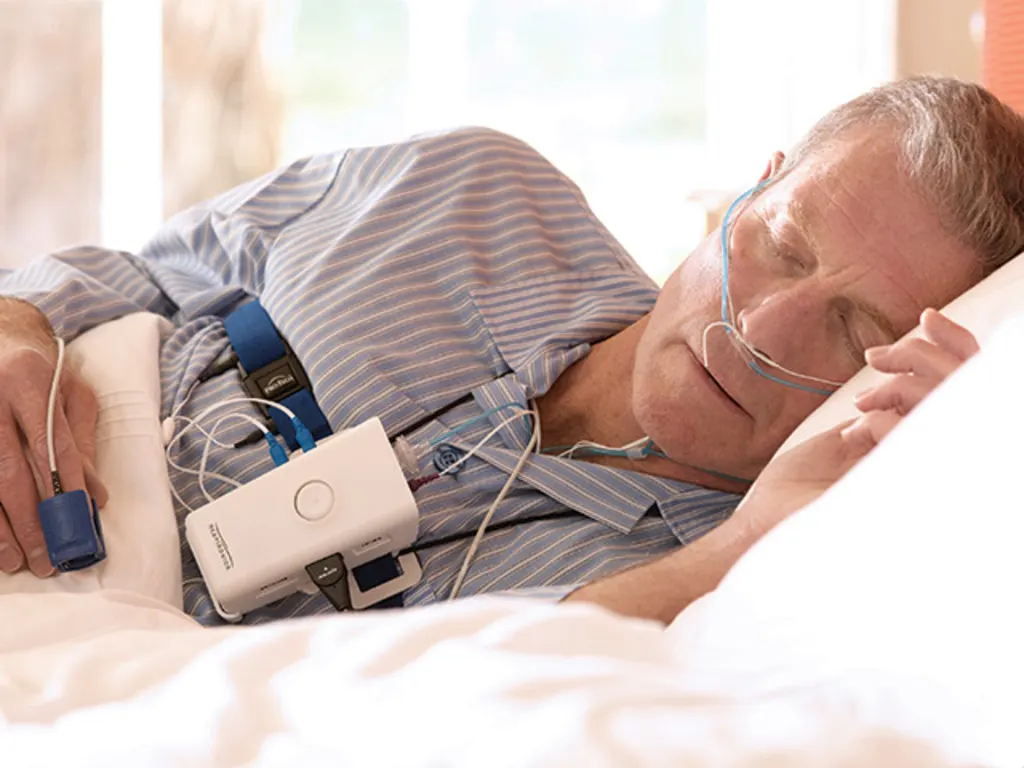
- Request a Home Sleep Test (HST): Many Australian pharmacies and clinics offer portable kits that allow you to be tested in your own bed.
- Evaluate Treatment Options: Beyond CPAP machines, many Australians find success with Mandibular Advancement Devices (MADs) or myofunctional therapy (tongue exercises).
Common Mistakes in Managing Fatigue
- Increasing Caffeine Intake: This masks the symptoms and creates a “tired but wired” state that further ruins sleep architecture.
- Assuming You’re “Just Aging”: Chronic exhaustion is not a natural byproduct of getting older.
- Self-Medicating with Alcohol: While alcohol helps you fall asleep faster, it is a potent muscle relaxant that significantly worsens airway collapse.
FAQ: Why You’re Still Tired After 8 Hours
Q: Can I have sleep apnea if I’m thin?
A: Yes. While weight is a risk factor, many people have “narrow anatomy” or a recessed jaw that causes airway obstruction regardless of body fat percentage.
Q: Why do I feel more tired after 9 hours of sleep than 6?
A: This is often “sleep drunkenness.” If you have apnea, more hours simply mean more cycles of oxygen deprivation, leaving your brain in a state of chronic inflammation.
Q: Is “Silent Apnea” different from regular Sleep Apnea?
A: It is technically the same mechanism, but it often falls under the category of Upper Airway Resistance Syndrome (UARS), where the “arousals” are frequent but don’t involve the gasping sounds associated with traditional OSA.
Q: Will a weighted blanket help?
A: Generally, no. While they help with anxiety, they do not address the physical obstruction of the airway.
Q: What is the best sleeping position for apnea?
A: Sleeping on your side (lateral position) is usually better than sleeping on your back, as gravity is less likely to pull the tongue and soft palate into the throat.
Conclusion: Stop Settling for “Tired”
Feeling exhausted after a full night’s rest is your body’s way of sounding an alarm. If you’ve tried every “sleepmaxxing” hack in the book and you’re still struggling with brain fog and morning headaches, it’s time to look beyond the clock.
Why you’re still tired after 8 hours is rarely about the quantity of your sleep—it is almost always about the quality of your breath. By identifying these seven hidden signs early, you can take the necessary steps to restore your health and finally wake up feeling like you actually slept.
Internal Linking Suggestions:
- Anchor: “symptoms of chronic fatigue”
- Anchor: “benefits of a clinical sleep study”
- Anchor: “how to improve sleep hygiene”
External Reference Suggestions:
- Sleep Health Foundation (Australia)
- The Australasian Sleep Association