Below are five factors that most often push the cost up or down, plus a quick way to estimate a realistic range before they book.
What kind of sleep study are they getting?
The cost of sleep study is largely determined by the study type, because it affects staff time, equipment used, and how much data must be scored and interpreted.
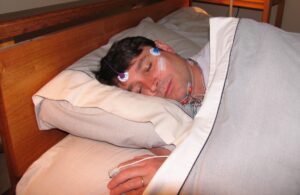
An in-lab polysomnography (PSG) is usually the most expensive because it involves overnight monitoring with multiple sensors and a technologist on-site. A home sleep apnea test (HSAT) is typically cheaper because it uses fewer channels and is done at home, but it may not be appropriate for every case.
Where is the study performed (hospital, sleep center, or at home)?
Location changes the facility fees and overhead, which can substantially change the total charge even for the same study.
Hospital-based sleep labs often cost more than independent sleep centers due to higher facility charges and billing structures. Independent sleep centers can be less expensive, but pricing varies widely by region. Home testing generally has the lowest facility component, though they may still see fees for device rental, shipping, and data interpretation.
Is it billed through insurance, or are they paying cash?
Insurance status affects both the sticker price and what they actually owe out of pocket.
If they use insurance, the “allowed amount” is what matters, not the initial charge. Their final cost will hinge on whether they have met their deductible, their coinsurance rate, and whether the sleep lab is in-network. If they pay cash, many clinics offer self-pay rates that are lower than billed charges, but those rates can exclude add-ons like follow-up visits or equipment.
Are there extra services attached to the study?
The sleep study itself is sometimes only part of the total episode of care, and add-ons can quietly increase the bill.
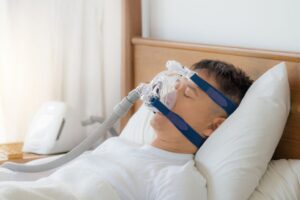
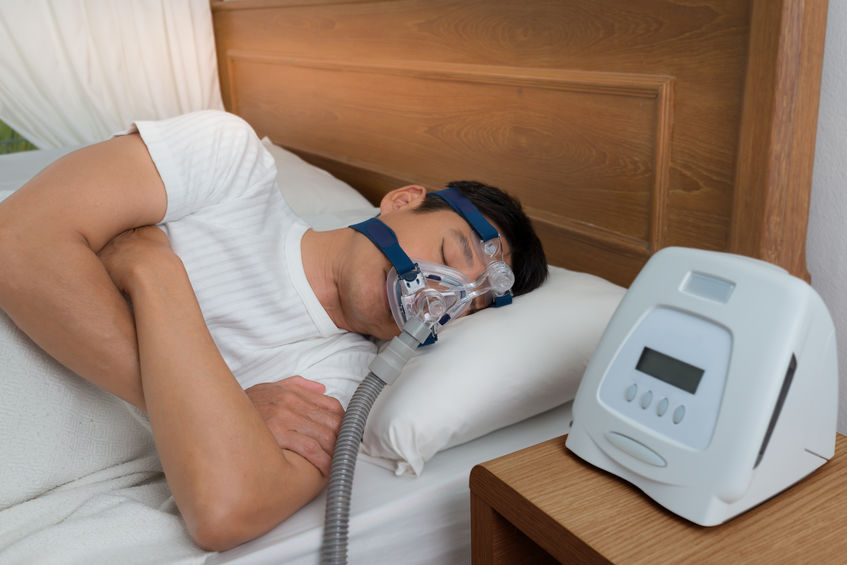
Common extras include the initial consultation, a separate visit to review results, and additional testing such as a split-night study (diagnosis plus CPAP titration in one night) or a dedicated titration study on a different night. They might also be charged for expedited scoring, extended monitoring time, or additional sensor types if the clinician is evaluating more than sleep apnea.
What does their local market and provider pricing look like?
Even with the same test and similar insurance, prices can differ drastically depending on geography and provider contracts.
Urban areas often have higher facility charges than rural markets. Provider ownership, negotiated insurance rates, and local competition also influence pricing. Two nearby facilities can quote very different self-pay rates, so it is worth calling more than one location and asking for a written estimate.
How can they estimate their sleep study cost before scheduling?
They can usually get a usable estimate with a few specific questions asked in the right order.
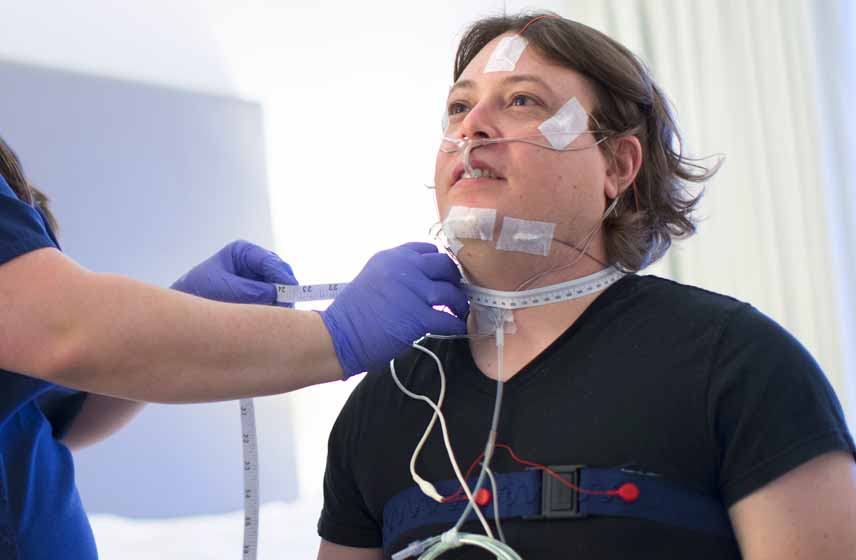
First, they should confirm the exact test name and billing code(s) the provider expects to use (for example, in-lab PSG vs HSAT). Next, they should ask whether the facility is in-network and request an estimate based on their plan benefits, including deductible and coinsurance. For cash pay, they should ask for a bundled self-pay quote that includes scoring, interpretation, and the results visit. Review bulk-billed sleep study eligibility and coverage options to understand whether any part of the testing may be covered or reduced in cost.
What’s the practical takeaway on price?
Most people are surprised because the “cost” is really a bundle of choices, not a single number. If they want the lowest likely out-of-pocket cost, they should verify test type, compare locations, and confirm insurance network status before booking. A few calls up front can prevent an expensive surprise after the study is already done.
FAQs (Frequently Asked Questions)
What factors influence the cost of a sleep study?
The cost of a sleep study depends on several factors including the type of study (e.g., in-lab polysomnography or home sleep apnea test), where it is performed (hospital, independent sleep center, or at home), insurance coverage and billing, any additional services attached to the study, and local market pricing variations.
How does the type of sleep study affect its price?
The type of sleep study is the biggest driver of price. In-lab polysomnography (PSG) is usually the most expensive due to overnight monitoring with multiple sensors and technologist presence. Home sleep apnea tests (HSAT) are typically cheaper as they use fewer channels and are done at home, but may not be suitable for all cases.
Why does the location of the sleep study impact its cost?
Location affects facility fees and overhead costs. Hospital-based sleep labs often charge more than independent sleep centers because of higher facility charges and billing structures. Home testing generally has the lowest facility component but may include fees for device rental, shipping, and data interpretation.
How does insurance coverage affect out-of-pocket expenses for a sleep study?
Insurance influences both the sticker price and actual out-of-pocket costs. The final cost depends on whether the deductible has been met, coinsurance rates, and if the lab is in-network. For cash payments, clinics may offer lower self-pay rates but these might exclude add-ons like follow-up visits or equipment.
What additional services can increase the total cost of a sleep study?
Extras such as initial consultations, separate result review visits, split-night studies (diagnosis plus CPAP titration), dedicated titration studies, expedited scoring, extended monitoring time, or additional sensor types can increase the overall bill beyond just the base sleep study.
How can patients estimate their sleep study costs before scheduling?
Patients should confirm the exact test name and billing codes with their provider first. Then they should ask if the facility is in-network and request an estimate based on their insurance benefits including deductible and coinsurance. For cash payers, they should request a bundled self-pay quote covering scoring, interpretation, and results visits to get a realistic cost estimate.