What matters most is eligibility, the right referral, and choosing a clinic that genuinely bulk bills for the specific test being done.
What is a bulk billed sleep study?
A bulk bill sleep study is a sleep test where the clinic bills Medicare directly and the patient pays $0. It usually applies to Medicare-eligible services with a valid referral and correct documentation.
Not every clinic offers bulk billing, and not every type of sleep study is bulk billed. Patients should confirm, in writing if possible, what is included (equipment, scoring, report, follow-up) and what could trigger a fee.
Who typically qualifies for a bulk billed sleep study?
They typically qualify when they have Medicare eligibility, a GP or specialist referral, and a clinical reason that meets Medicare requirements. In practice, clinics often prioritise bulk billing for people with clear symptoms of obstructive sleep apnoea such as loud snoring, witnessed breathing pauses, or excessive daytime sleepiness.
Eligibility can also depend on the type of study requested and whether the provider has bulk-billing appointments available. Some clinics also apply their own criteria, even when Medicare criteria are met.
Which symptoms usually support eligibility?
Symptoms that often support eligibility include loud habitual snoring, choking or gasping during sleep, witnessed apnoeas, unrefreshing sleep, morning headaches, and significant daytime sleepiness. They may also qualify if they have high-risk factors like obesity, large neck circumference, resistant hypertension, or atrial fibrillation.
Clinicians commonly use screening tools (for example, the Epworth Sleepiness Scale) to document severity. Strong documentation helps the referral match what a sleep clinic needs to bill correctly.
Do they need a GP referral to get it bulk billed?
Yes, in most cases they need a GP referral (or a specialist referral) for Medicare to apply and for a clinic to bulk bill. The referral should clearly state suspected sleep apnoea or another sleep disorder and request an appropriate test.
If the referral is vague, clinics may request more information or convert the pathway into a paid service. A clear referral reduces delays and avoids unexpected fees.
What types of sleep studies can be bulk billed?
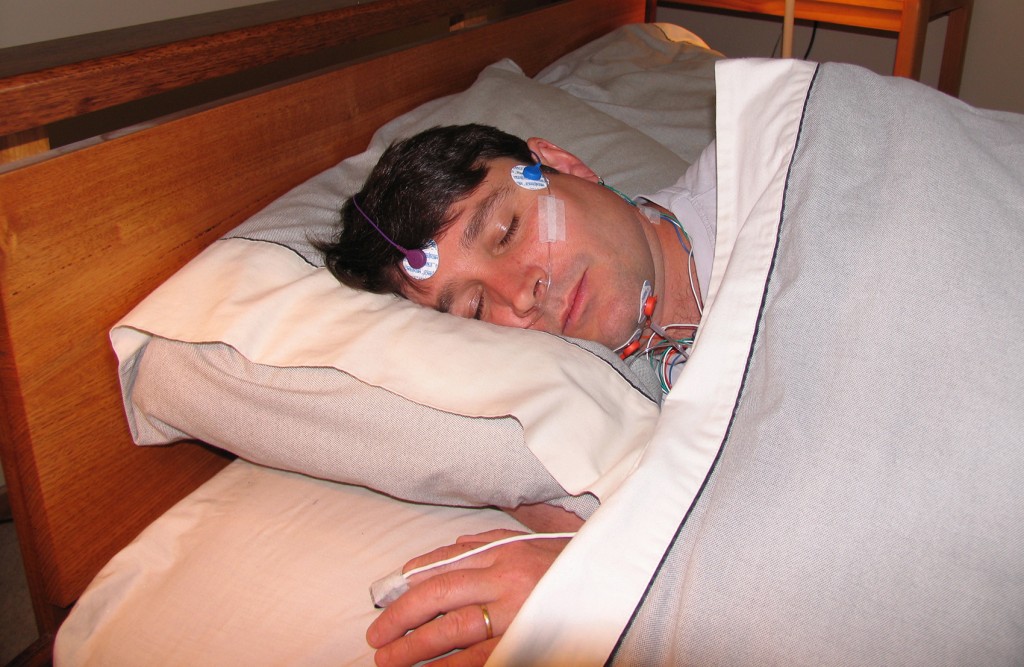
Many bulk billed pathways focus on home sleep apnoea testing (HSAT), sometimes called a home sleep study. It is commonly used to assess suspected obstructive sleep apnoea in uncomplicated cases.
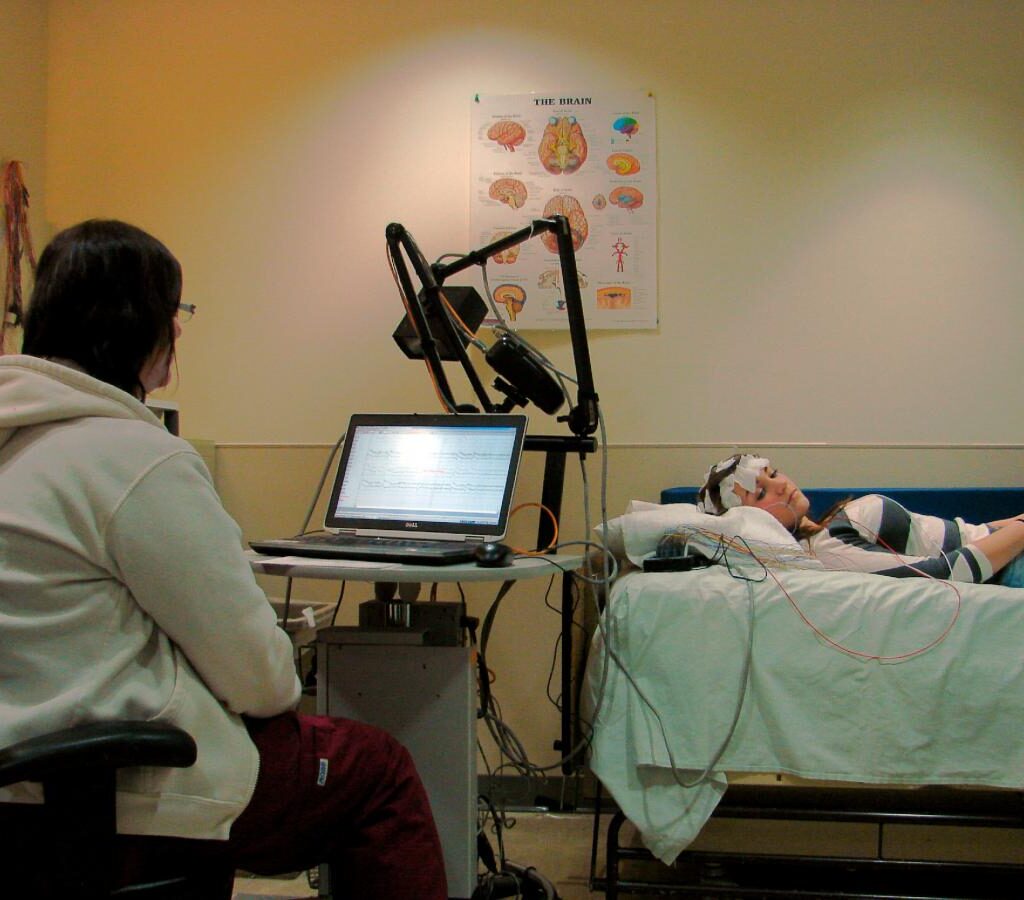
In-lab polysomnography can also be Medicare-funded, but bulk billing is less consistently available because it is more resource-intensive. Clinics may bulk bill it only for certain indications or for concession card holders, depending on capacity.
What can disqualify someone from a bulk billed home sleep study?
They may be declined for a bulk billed home test if they have complex medical conditions or symptoms suggesting a broader sleep disorder. Examples include significant heart failure, neuromuscular disease, severe lung disease, suspected central sleep apnoea, parasomnias, narcolepsy features, or safety-critical occupational risk that requires in-lab monitoring.
They might still be eligible for an in-lab study, but it may not be bulk billed at every provider. The clinic usually decides the safest test type after reviewing the referral and history.
How do they apply for a bulk billed sleep study?
They apply by following a simple sequence: see a GP, obtain a referral, choose a bulk-billing provider, and complete the clinic’s intake forms. Most clinics then triage the referral and book either equipment pickup/shipping (home test) or an in-lab appointment.
They should ask upfront whether the entire pathway is bulk billed, including setup, scoring, and the doctor’s interpretation report. If follow-up consultations are billed separately, they should request an itemised breakdown before booking.
What documents and details should they prepare?
They should prepare their Medicare card details, referral letter, a list of medications, and a brief symptom timeline. If they have a bed partner who has noticed snoring or breathing pauses, that information is often useful.
Many clinics also request sleep questionnaires and medical history. Providing complete forms quickly can be the difference between getting the next bulk-billed slot and being offered a paid appointment later.
Where can they find a provider that actually bulk bills?
They can start by asking the referring GP for local options that bulk bill and have current availability. They can also contact sleep clinics directly and ask specific questions: whether they bulk bill the exact test type, whether there are any admin or reporting fees, and whether follow-up is included.
Because “bulk billed” is sometimes used loosely in advertising, they should confirm the total cost in writing. If a clinic cannot confirm $0 end-to-end, they should assume there may be charges. See sleep study cost breakdown and what’s included upfront.
How long does the process usually take?
It often takes one to three weeks from referral to home testing, depending on local demand and clinic capacity. In-lab studies can take longer, especially in major cities where sleep labs have waitlists.
Results commonly take a few business days to two weeks after the test, because the data must be scored and reviewed. They should ask when the report will be sent to the referrer and whether they will receive a copy.
What happens after they receive the results?
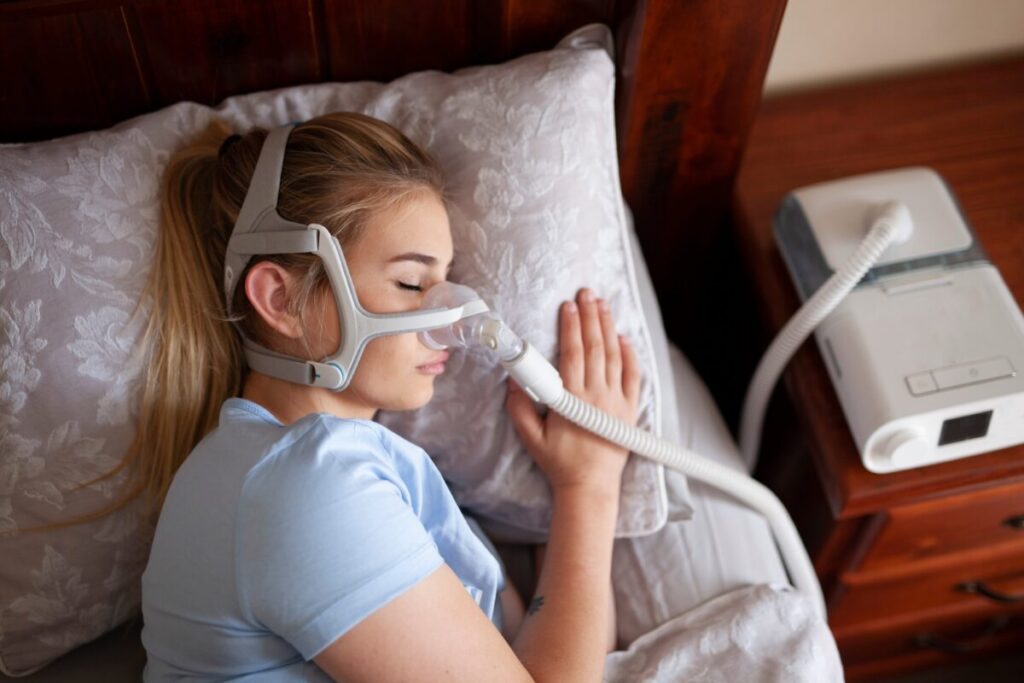
If the study confirms obstructive sleep apnoea, the next step is usually treatment planning, which may include CPAP, mandibular advancement devices, weight management, positional therapy, or specialist review. The clinic may organise a CPAP trial or refer them back to the GP with recommendations.
They should also ask whether the clinic provides ongoing support or whether management returns to the GP. Bulk billing for the test does not automatically mean equipment like CPAP is free, so they should request pricing and rental options early.
How can they avoid surprise costs?
They can avoid surprise costs by asking three questions before booking: Is the test itself bulk billed? Is the doctor’s interpretation and report bulk billed? Are any follow-up appointments bulk billed?
They should also ask what happens if the first test is inconclusive or fails due to sensor loss. Some providers repeat at no charge, while others may charge for a repeat study or upgraded testing.
FAQs (Frequently Asked Questions)
What is a bulk billed sleep study and how does it work?
A bulk billed sleep study is a Medicare-eligible sleep test where the clinic bills Medicare directly, resulting in no out-of-pocket cost for the patient. It requires a valid referral and correct documentation, and the provider must accept the Medicare benefit as full payment.
Who qualifies for a bulk billed sleep study under Medicare?
Patients typically qualify if they have Medicare eligibility, a GP or specialist referral indicating suspected sleep apnoea or another sleep disorder, and clinical symptoms that meet Medicare criteria. Clinics often prioritize bulk billing for those with clear symptoms like loud snoring, witnessed breathing pauses, or excessive daytime sleepiness.
Do I need a GP referral to get a sleep study bulk billed?
Yes, in most cases a GP or specialist referral is necessary for Medicare to apply and for clinics to bulk bill. The referral should clearly state the suspected sleep disorder and request the appropriate test to avoid delays or unexpected fees.
Which types of sleep studies are commonly bulk billed?
Home Sleep Apnoea Testing (HSAT), also known as home sleep studies, are commonly bulk billed for uncomplicated suspected obstructive sleep apnoea cases. In-lab polysomnography can also be Medicare-funded but is less consistently bulk billed due to resource intensity and may be limited to certain indications or concession card holders.
What symptoms support eligibility for a bulk billed sleep study?
Symptoms supporting eligibility include loud habitual snoring, choking or gasping during sleep, witnessed apnoeas, unrefreshing sleep, morning headaches, significant daytime sleepiness, and high-risk factors such as obesity, large neck circumference, resistant hypertension, or atrial fibrillation. Proper documentation using screening tools like the Epworth Sleepiness Scale strengthens eligibility.
How can I find a clinic that genuinely offers bulk billed sleep studies?
Start by asking your referring GP for local clinics that bulk bill and have availability. Contact clinics directly to confirm if they bulk bill the specific test type including equipment setup, scoring, doctor’s report, and follow-up appointments. Always request written confirmation of $0 out-of-pocket costs to avoid surprise fees.