This guide explains what a sleep apnoea test in Perth typically involves, from first appointment to next steps.
What is a sleep apnoea test meant to diagnose?
A sleep apnea test Perth service evaluates repeated breathing disruptions that occur during sleep. The test measures how often breathing slows or stops, monitors oxygen level changes, and tracks how the body responds throughout the night.
Clinicians primarily assess for obstructive sleep apnoea (caused by airway collapse) but may also evaluate for central sleep apnoea (related to breathing control), depending on the individual’s medical history and symptoms.
Who is usually advised to get tested in Perth?
Testing is often recommended when symptoms suggest sleep apnoea or when risks are high. Common triggers include loud snoring, witnessed pauses in breathing, morning headaches, and unrefreshing sleep.
Clinicians may also suggest testing for people with high blood pressure, atrial fibrillation, type 2 diabetes, a higher BMI, or safety-critical jobs where fatigue can be dangerous.
How do they get started with the process?
They usually start by speaking to a GP, a sleep physician, or a clinic that offers sleep assessments. The clinician will ask about symptoms, sleep habits, medications, alcohol use, and medical history.
Often, they will also ask a bed partner’s observations because breathing pauses and gasping are not always remembered by the person experiencing them. “
What happens in the initial assessment?
The initial assessment aims to decide whether a sleep study is needed and which type fits best. They may complete questionnaires such as the Epworth Sleepiness Scale to quantify daytime sleepiness.
The clinician may also check weight, neck circumference, blood pressure, and airway features. From there, they will recommend either a home sleep test or an in-lab study.
What types of sleep apnoea tests are available in Perth?
Most people are offered either a home sleep apnoea test (HSAT) or an in-lab overnight sleep study (polysomnography). The right option depends on symptoms, complexity, and other health conditions.
Home testing is common for straightforward suspected obstructive sleep apnoea. In-lab studies are more likely when symptoms are complex or other sleep disorders are suspected.
What is a home sleep apnoea test and what does it measure?
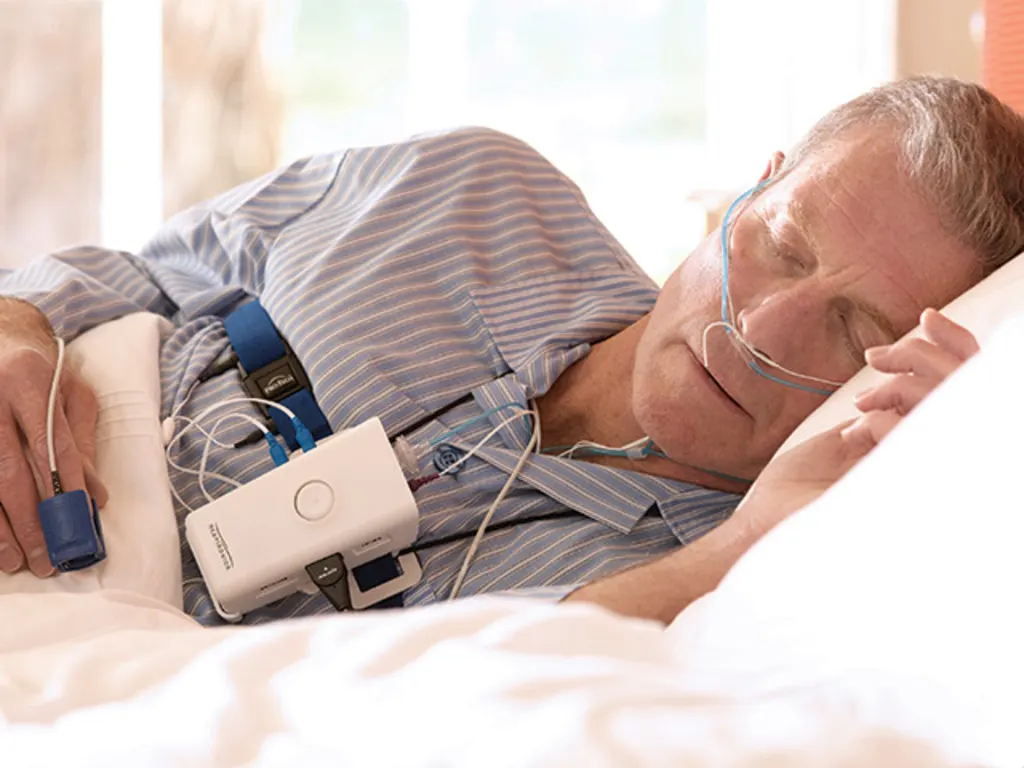
A home sleep apnoea test is done in their own bed using portable monitoring equipment. It typically measures airflow, breathing effort, oxygen saturation, and heart rate, and it may record snoring and body position.
It does not usually measure brain waves, so it estimates sleep time rather than confirming it precisely. That is why it is best for clear-cut cases.
How do they collect and use the home test equipment?
They either pick up the device from a clinic or receive it by delivery, depending on the provider. A technician usually explains how to apply the sensors and start the recording, often with printed instructions or a short video.
They return the device the next day. The data is then analysed and scored, and a clinician reviews the results before providing a report.
What is an in-lab sleep study and when is it needed?
An in-lab study is an overnight test at a sleep clinic where a wider range of signals is recorded. It can measure brain activity, eye movements, muscle tone, breathing, oxygen levels, heart rhythm, and limb movements.
It is often recommended if they have heart or lung disease, suspected central sleep apnoea, possible other sleep disorders, or if a home test is inconclusive.
What should they expect on the night of an in-lab study?
They arrive in the evening, bring sleepwear and toiletries, and a technician applies sensors to the scalp, face, chest, and legs. The setup can feel unfamiliar, but it is designed to allow normal movement in bed.
They sleep while the equipment records overnight. In the morning, sensors are removed and they go home, usually able to drive unless advised otherwise.
How should they prepare for a sleep apnoea test?
Preparation is usually simple. They are commonly advised to avoid alcohol on the test day and to keep caffeine to earlier in the day, unless the clinic says otherwise.
They should follow their usual routine as much as possible, because the goal is to capture a typical night. They should also disclose medications, as some can affect sleep and breathing.
How long does it take to get results in Perth?
Turnaround depends on the provider and the type of study. Many home studies are reported within a few days to a couple of weeks, while in-lab studies can take longer because they generate more data.
If symptoms are severe or safety is a concern, clinics may prioritise reporting. They should ask upfront about timelines and follow-up scheduling.
What do the results usually include?
Results typically include an Apnoea-Hypopnoea Index (AHI), which is the number of breathing events per hour. They will also see oxygen saturation patterns and the presence of snoring or positional effects.
Severity is often described as mild, moderate, or severe, but clinicians interpret this alongside symptoms, oxygen drops, and overall health risk.
What happens after a positive sleep apnoea diagnosis?
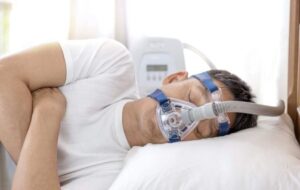
If sleep apnoea is confirmed, the clinician discusses treatment options and goals. For many, the first-line treatment is CPAP therapy, which keeps the airway open with gentle air pressure.
Other options may include a mandibular advancement device (oral appliance), weight management support, positional therapy, reducing alcohol, managing nasal obstruction, or referral to an ENT specialist when appropriate.
What if the test is negative but symptoms continue?
A negative test does not always end the investigation. If symptoms remain strong, clinicians may recommend an in-lab study, repeat testing, or assessment for other conditions such as insomnia, restless legs, circadian rhythm issues, or narcolepsy.
They may also review whether the home test captured enough usable data and whether sleep time was underestimated.
How much does a sleep apnoea test in Perth typically cost?
Costs vary depending on the provider, the type of study, and whether Medicare or private health cover applies. Home studies are often cheaper than in-lab polysomnography, but inclusions differ.
They should ask for a clear quote covering the test, reporting, follow-up consultation, and any CPAP trial fees if treatment is likely.

What questions should they ask the clinic before booking?
They should ask which test is recommended and why, what the total cost is, and how soon results will be available. It also helps to confirm what support is offered after diagnosis, such as CPAP setup, mask fitting, and follow-up.
They may also ask what happens if the first test is inconclusive, and whether a second study would involve extra fees.
What is the simplest way to think about the whole process?
A sleep apnoea test in Perth usually follows a clear path: symptom review, a one-night study (at home or in a lab), then a results appointment and a treatment plan if needed. The goal is not just a diagnosis, but better sleep and safer daytime functioning.
If symptoms are affecting energy, mood, or safety, they should treat testing as a practical next step rather than a last resort.
More to Read : Home Sleep Study Canberra: Convenient Testing for Busy Adults
FAQs (Frequently Asked Questions)
What is the purpose of a sleep apnoea test in Perth?
A sleep apnoea test in Perth is designed to diagnose repeated breathing disruptions during sleep, primarily assessing for obstructive sleep apnoea and sometimes central sleep apnoea, by measuring breathing patterns, oxygen levels, and body responses overnight.
Who should consider getting tested for sleep apnoea in Perth?
Testing is recommended for individuals experiencing symptoms like loud snoring, witnessed breathing pauses, morning headaches, or unrefreshing sleep. It is also advised for those with high blood pressure, atrial fibrillation, type 2 diabetes, higher BMI, or those in safety-critical jobs where fatigue poses risks.
What are the types of sleep apnoea tests available in Perth?
In Perth, the main types of sleep apnoea tests are home sleep apnoea tests (HSAT) and in-lab overnight sleep studies (polysomnography). The choice depends on symptom complexity and health conditions, with home tests suited for straightforward cases and in-lab studies for more complex situations or additional suspected disorders.
How is a home sleep apnoea test conducted and what does it measure?
A home sleep apnoea test involves using portable equipment at home to monitor airflow, breathing effort, oxygen saturation, heart rate, snoring, and body position. It estimates sleep time but does not record brain waves. Patients receive instructions on sensor application and return the device after use for analysis.
What should I expect during an in-lab sleep study in Perth?
During an in-lab study, you will spend the night at a sleep clinic where sensors are attached to your scalp, face, chest, and legs to record brain activity, eye movements, muscle tone, breathing patterns, oxygen levels, heart rhythm, and limb movements. Although the setup may feel unusual, it allows normal movement while collecting comprehensive data.
How long does it take to receive results from a sleep apnoea test in Perth?
Result turnaround varies by provider and test type; home studies typically provide results within a few days to two weeks, while in-lab studies may take longer due to extensive data. Clinics may prioritise urgent cases. It’s advisable to inquire about timelines and follow-up procedures when scheduling your test.