A home sleep study in Sydney uses a portable recorder to measure breathing and oxygen while you sleep in your own bed. It can suit adults with likely uncomplicated sleep apnoea, but it is not ideal for every health history. A GP or sleep physician should decide whether home testing will answer the clinical question.
A home sleep study sydney can save a trip across Sydney and let you sleep in familiar surroundings. That convenience is attractive if you live in the Hills District, Campbelltown or the Northern Beaches, or if you juggle caring responsibilities and shift work. Still, the kit is a medical test, not a consumer gadget. The result is only useful when the right person is tested with the right equipment and the report is interpreted properly.
What does a home sleep study record?
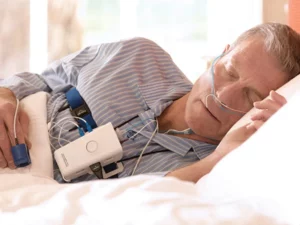
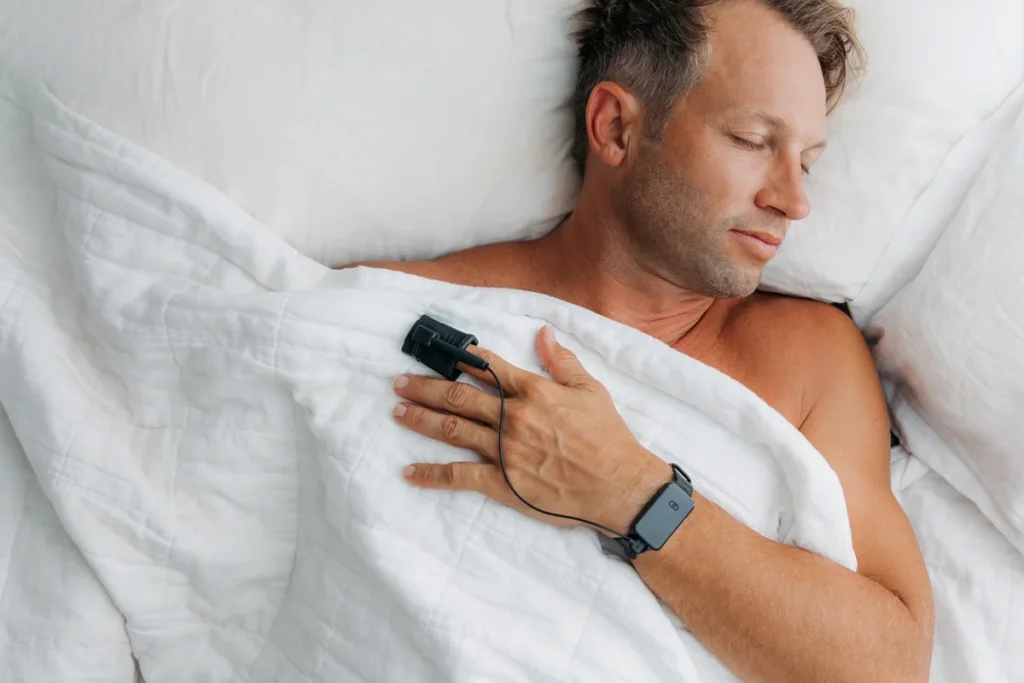
Most home studies record a combination of airflow, breathing effort, oxygen saturation and pulse. Depending on the device, the kit may also record body position or snoring. It normally does not include the full brain-wave monitoring used in an attended laboratory polysomnogram.
That difference matters because a home device may estimate sleep time rather than measure it directly. If you lie awake for a long time, the report can interpret some time in bed as sleep, which may affect how breathing events are expressed. A sleep physician considers the recording quality and your symptoms when reading the report.
You will usually receive a small recorder and several sensors, with instructions for fitting them. Some services post a kit and provide a return satchel; others arrange collection or ask you to drop it at a clinic. Confirm these details before your first night.
Who may be suitable for home testing?
Home testing may be considered for an adult with symptoms suggesting obstructive sleep apnoea and no major complicating medical condition. A GP or sleep physician checks your health history, medicines, symptoms and previous investigations before recommending it.
People with significant heart or lung disease, neuromuscular conditions, chronic opioid use, unusual night-time behaviours or suspected disorders other than sleep apnoea may need a more comprehensive study. A home kit may also be unsuitable if you cannot place or keep the sensors on reliably. These are not reasons to self-diagnose; they are reasons to ask the clinician which test is appropriate.
For Sydney residents, travel convenience should not be the only deciding factor. A home test can be a good fit for someone in Blacktown who has typical symptoms, but another person in the same suburb may need a supervised assessment because of their medical history.
How do you arrange a home sleep study in Sydney?
Start with a GP appointment and describe your symptoms, daytime alertness and relevant health conditions. If testing is appropriate, the GP can provide a referral and recommend an eligible provider. Contact the clinic to confirm it accepts the referral and offers the home test requested.
Before booking, ask who reviews the recording, how results reach your GP, whether follow-up is available and what happens if the data is insufficient. Confirm the full fee, Medicare arrangements, delivery and return costs. A clear answer up front is a good sign.
Ask about timing if you work shifts. A test taken on a night that does not reflect your normal sleep pattern may be less informative. The provider may advise when to wear the device and whether one or more nights are required.
How should you prepare and use the kit?
Read the instructions in daylight, charge the recorder if needed and practise placing the sensors before bedtime. Keep your usual routine and follow the clinic’s advice about alcohol, caffeine and medication. Never stop prescribed medicine without your doctor’s direction.
Most kits use a finger sensor, a nasal tube and a chest strap. Fit each item as shown, but do not overtighten a strap or attach sensors in a way the instructions do not describe. If a sensor comes loose overnight, follow the troubleshooting guide and make a note of it. Contact the provider if the recorder shows an error or the setup is unclear.
Sleep in your normal position and use your usual bedding. If the bedroom is unusually hot, noisy or affected by a temporary illness, tell the clinician afterwards. The purpose is to understand a typical night, not to manufacture perfect conditions.
What happens after the recording?
Return the equipment as instructed, then allow the provider time to check the recording and prepare a report. A sleep physician or other appropriately qualified clinician should interpret the data; the device itself does not diagnose you.
Your GP should explain the findings and next steps. A positive result may lead to treatment discussion, while an inconclusive or negative result with ongoing symptoms may lead to a laboratory study. Ask whether the recording was technically adequate and how the findings fit your symptoms.
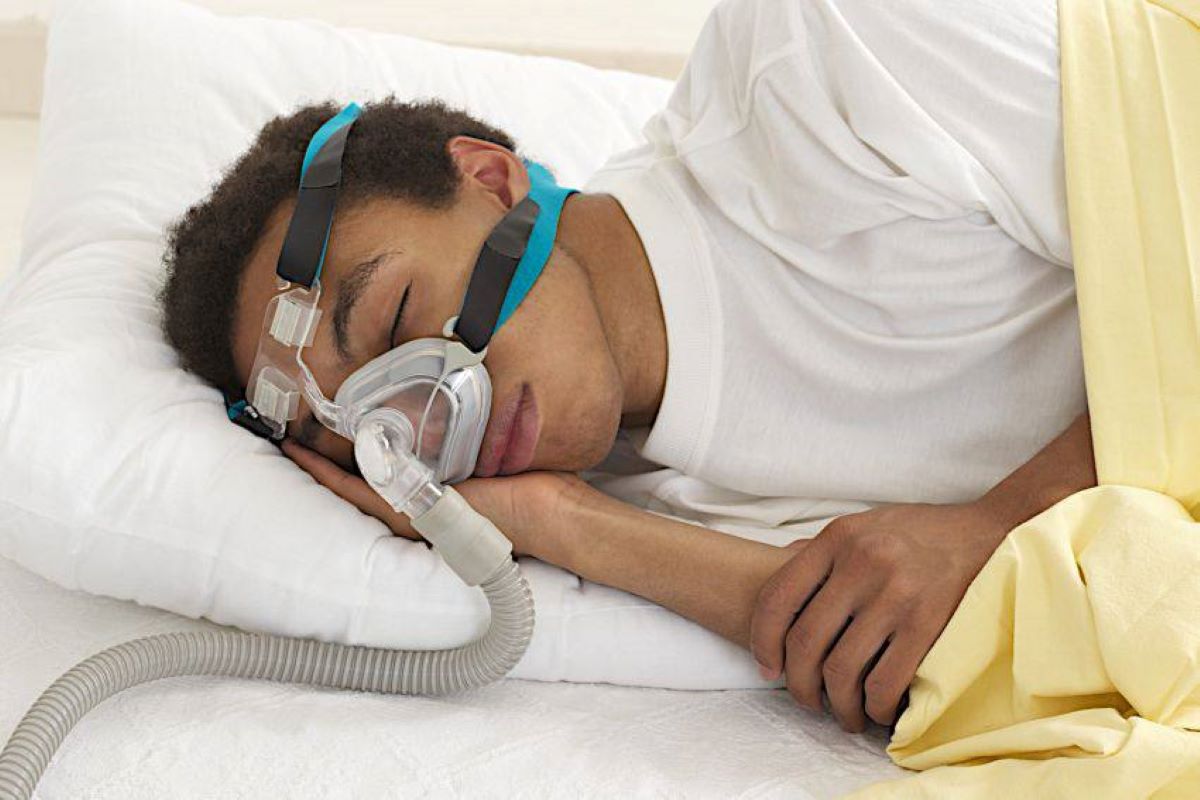
If a clinician recommends treatment such as CPAP, ask how it will be fitted, monitored and reviewed. Avoid purchasing equipment based only on a raw test file or a marketing claim.
What does a home sleep study cost?
The amount you pay depends on the provider, study item, Medicare eligibility and billing approach. Some services bulk bill eligible patients; others charge a gap or a private fee. Delivery, return postage, report interpretation and follow-up can be separate costs.
Request a written estimate that names each included service. Ask whether the quote changes if the kit fails or a second night is required. Public pathways may be available through hospital services, although referral rules and waiting times vary across NSW.
For symptoms, diagnosis and general treatment information, read the Nepean Hospital home sleep study service update. For research context about sleep and circadian health, visit the University of Sydney’s precision sleep medicine programme.
Home test or lab study: making the call
A home study is a practical option when a clinician believes a limited breathing assessment is sufficient. A lab test is more appropriate when a detailed recording or supervised monitoring is needed. The key is matching the study to the person, not choosing whichever sounds easiest.
Before you book, check your referral, the exact test, report process, total cost and practical arrangements. If you are unsure, ask your GP to explain the reason for the recommendation. That conversation can save repeat testing and make the result more useful. A home sleep study should be the beginning of a clear care pathway, not a standalone gadget purchase.