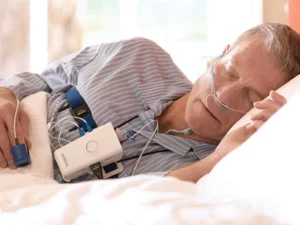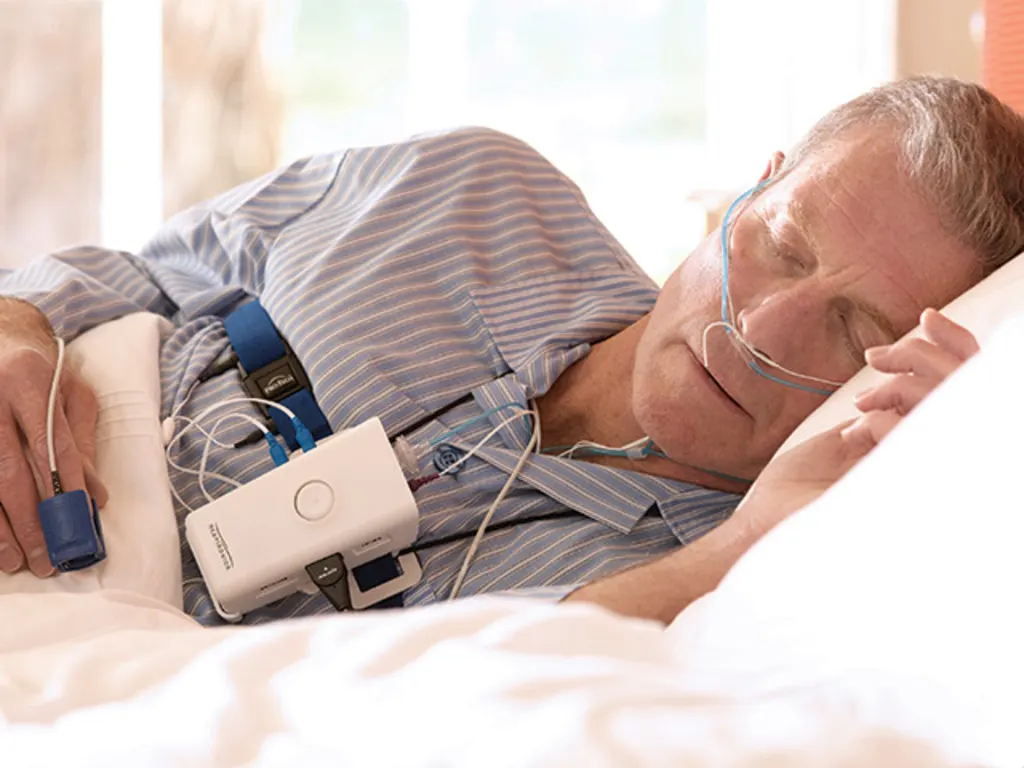
A sleep test Hobart clinics provide usually involves a set of sensors and a small recording unit that tracks breathing, oxygen levels, heart rate, and sleep patterns overnight. The exact equipment depends on whether the clinic recommends an in-lab study or a home-based test in Hobart or wider Tasmania.
They will typically explain what each item does, how it is fitted, and what to avoid before bed so the results reflect a normal night’s sleep.
What is a sleep test Hobart clinics provide, in practical terms?
A Hobart sleep test clinics provide is a diagnostic assessment that records body signals during sleep to investigate issues like snoring, suspected sleep apnoea, insomnia patterns, and unexplained daytime sleepiness. It is most commonly delivered as either a home sleep apnoea test (HSAT) or an in-lab polysomnography (PSG).
They choose the method based on symptoms, medical history, and the level of detail required.
What are the two main types of equipment setups used in Hobart?
Most providers will use either a compact home kit or a full in-lab system, depending on what they are trying to measure. A sleep test Hobart clinics provide at home is usually simpler and focused on breathing, while an in-lab study captures a wider range of signals, including brain activity.
They may also combine approaches, such as starting with home testing and escalating to lab testing if results are unclear.
What does a home sleep test kit usually include?
A home kit for a sleep test Hobart clinics provide usually includes a small recorder worn on the chest or abdomen, plus a few sensors to track breathing and oxygen levels. The aim is to keep the setup manageable while still collecting clinically useful data.
They generally receive written instructions and may get a short fitting demo before taking the kit home.
What is the recording unit, and what does it do?
The recording unit is the “brain” of the home kit and stores the data collected overnight. In a sleep test Hobart clinics provide, this unit logs signals from the sensors and timestamps events like breathing pauses or drops in oxygen.
They usually wear it with a belt or strap so it stays secure while changing sleep positions.
What are the nasal cannula or airflow sensors used for?
A nasal cannula, or airflow sensor, measures how much air moves in and out of the nose during sleep. In a sleep test Hobart clinics provide, this helps identify reduced airflow, apnoeas, and hypopnoeas that may be linked to snoring or obstructive sleep apnoea.
They place it gently under the nostrils and loop it over the ears like oxygen tubing.
Why do Hobart sleep tests use a finger oxygen sensor (pulse oximeter)?
A pulse oximeter tracks blood oxygen saturation and pulse rate through a finger probe. During a sleep test Hobart clinics provide, oxygen dips can confirm the impact of breathing disruptions and help grade severity.
They are often asked to remove nail polish or acrylic nails on the chosen finger to improve accuracy.
What is the chest or abdomen effort belt measuring?
Effort belts detect breathing effort by measuring expansion and contraction of the chest or abdomen. In a sleep test Hobart clinics provide, these belts help distinguish between obstructive events (effort present) and central events (effort reduced or absent).
They are fitted snugly but should not be painful, and providers usually advise leaving enough comfort for normal breathing.
What does a snore microphone or vibration sensor do?
Some home kits include a snore sensor, either as a small microphone near the throat or a vibration sensor on the chest. In a sleep test Hobart clinics provide, snoring patterns can support the clinical picture, especially when matched with airflow limitations.
They will usually be shown the correct placement point so it does not shift overnight.
What is a body position sensor, and why does it matter?
A position sensor identifies whether they sleep on their back, side, or stomach. In a sleep test Hobart clinics provide, this matters because many people have position-dependent sleep apnoea that worsens when supine.
They may later use this information to guide treatment discussions, including positional therapy options.
What extra equipment is used in an in-lab sleep study in Hobart?
In-lab studies use more sensors to measure sleep stages, limb movements, and arousals. A sleep test Hobart clinics provide in a lab setting is designed to capture a complete picture of sleep architecture and the causes of disruption.
They are typically monitored by trained sleep technicians, with video and audio used in many laboratories.
How are brain waves recorded during an in-lab test?
Electroencephalography (EEG) electrodes are placed on the scalp to record brain activity and determine sleep stages. In a sleep test Hobart clinics provide in-lab, EEG is essential for identifying when they fall asleep, how much deep sleep they get, and how often they wake briefly.
They are applied with a conductive paste or gel and removed in the morning.
What do the eye movement sensors measure?
Electrooculography (EOG) sensors track eye movements, which helps identify REM sleep. In a sleep test Hobart clinics provide, REM detection can be important because breathing events and oxygen dips can worsen during REM for some people.
They are placed near the outer corners of the eyes and are usually unobtrusive once fitted.
Why is a chin sensor used during polysomnography?
A chin electromyography (EMG) sensor measures muscle tone to support sleep staging and detect certain sleep behaviours. In a sleep test Hobart clinics provide, reduced chin tone helps confirm REM sleep, while abnormal patterns can point to other sleep disorders.
They are typically small adhesive sensors placed under the chin.
What are leg movement sensors looking for?
Leg EMG sensors detect periodic limb movements that may fragment sleep. In a sleep test Hobart clinics provide, these sensors can help separate breathing-related awakenings from movement-related arousals.
They are placed on the lower legs with adhesive pads and connected to the recording system.
How is heart rhythm tracked during a sleep study?
An electrocardiogram (ECG) setup records heart rate and rhythm during sleep. In a sleep test Hobart clinics provide, ECG can support assessment when breathing events trigger heart rate spikes or when clinicians need to screen for arrhythmias during sleep.
They typically use a small number of chest electrodes connected by thin leads.
What is the role of video and audio monitoring in a lab test?
Video and audio help technicians interpret events like unusual movements, sleep talking, or breathing noises. During a sleep test Hobart clinics provide in-lab, these recordings can confirm whether sensor changes match real-world behaviour.
They are informed about privacy, storage, and consent processes before the study begins.
What does CPAP titration equipment involve if they need it?
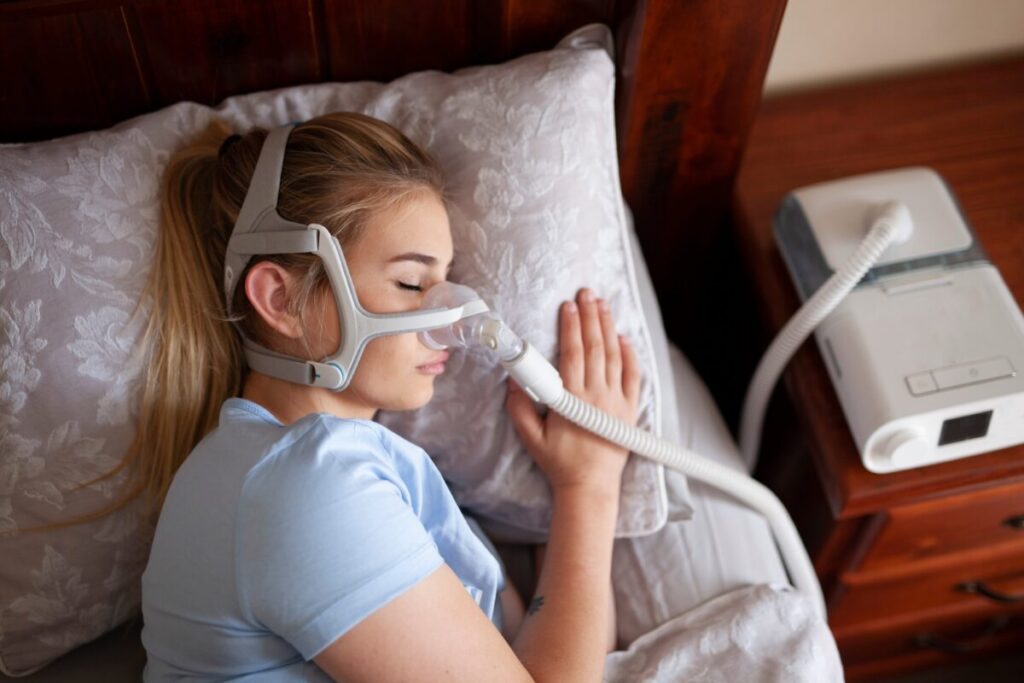
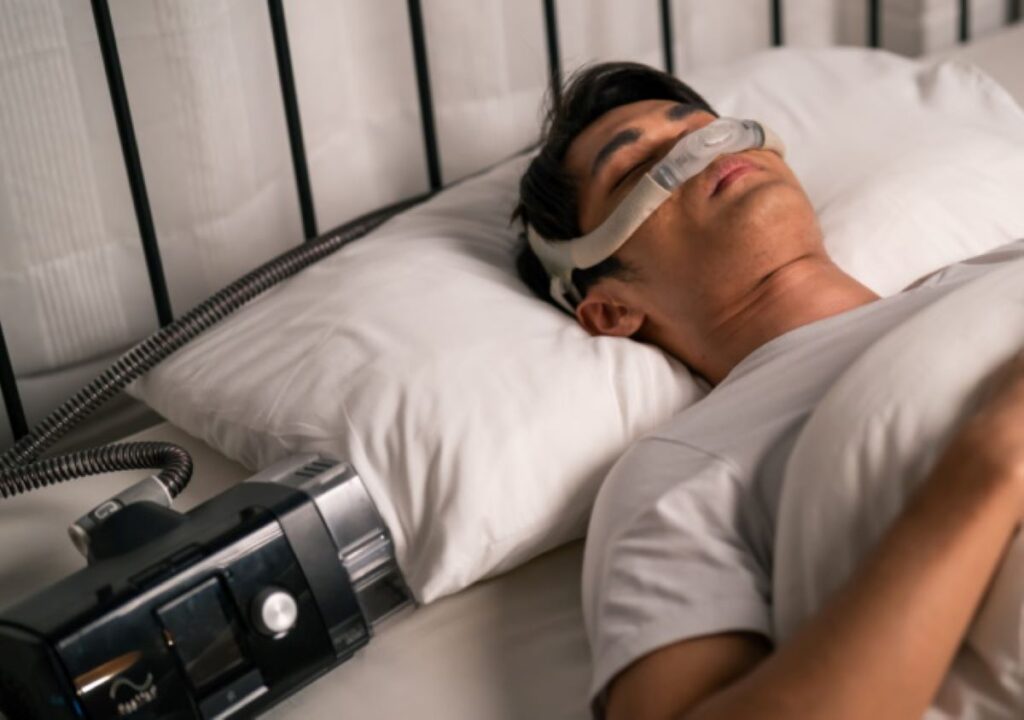
If obstructive sleep apnoea is confirmed, some labs run a second night or split-night study to find effective CPAP settings. In a sleep test Hobart clinics provide with titration, they may wear a CPAP mask connected to a machine that adjusts airflow to keep the airway open.
They can usually trial different masks to improve comfort and reduce leaks.
How do Hobart clinics decide which equipment they will use?
They select equipment based on symptoms, risk factors, and whether a simple breathing-focused study is enough. A sleep test Hobart clinics provide may be home-based for straightforward suspected obstructive sleep apnoea, while complex cases often need in-lab monitoring.
They also consider mobility, safety, and comorbidities, including cardiac or neurological concerns.
What should they expect when getting fitted for the equipment?
They can expect a step-by-step fitting process and a chance to ask questions before the test night. For a sleep test Hobart clinics provide, staff usually confirm sensor placement, show how to start the recorder, and explain what to do if a sensor detaches overnight.
They are typically advised to keep their usual bedtime routine as much as possible.
What can interfere with equipment readings during the night?
Loose sensors, poor airflow signal placement, and low battery can affect data quality. With a sleep test Hobart clinics provide, common issues include the nasal cannula slipping, finger probe disconnecting, or effort belts rotating.
They are usually told it is better to refit a sensor than to leave it dangling, even if it briefly wakes them.
What happens after the equipment is returned?
They return the kit or finish the lab study, and the data is downloaded and reviewed by qualified clinicians. After a sleep test Hobart clinics provide, results are typically interpreted alongside symptoms, medical history, and any questionnaires completed before testing.
They may then receive a report and a follow-up appointment to discuss next steps, including treatment options and referrals.
How can they prepare so the equipment captures a normal night?
They can prepare by keeping the day and evening routine simple and avoiding last-minute changes that disrupt sleep. For a sleep test Hobart clinics provide, clinics often suggest limiting alcohol, avoiding heavy meals late, and keeping caffeine earlier in the day.
They may also be asked to wash and dry skin to help adhesive sensors stick well, especially for in-lab studies.
What equipment differences should they ask about before booking?
They should ask whether it is a home test or in-lab study, which signals are recorded, and what conditions the test can or cannot diagnose. Before booking a sleep test Hobart clinics provide, it helps to confirm whether the kit includes effort belts and position sensing, or whether the lab will record EEG and limb movements.
They can also ask about after-hours support if something comes loose during a home test.
Related : Preparing for Your First Sleep Test Canberra Appointment