A first sleep study can feel unfamiliar, especially when someone does not know what will happen on the day. This guide explains how they can get ready, what to bring, and what to expect so their sleep test Canberra appointment runs smoothly.
What is a sleep test Canberra appointment and why might someone need one?
A sleep test Canberra appointment is a clinical assessment that records breathing, oxygen levels, heart rate, and sleep patterns overnight. Clinicians commonly use it to investigate snoring, suspected sleep apnoea, restless sleep, or ongoing daytime fatigue.
In Canberra and across Australia, a referral often comes from a GP or specialist when symptoms suggest a sleep-related breathing disorder. Results help guide treatment, which may include lifestyle changes, CPAP therapy, or other interventions.
How does someone know if a sleep test is worth booking?
If they regularly wake unrefreshed, feel sleepy while driving, or their partner notices loud snoring or breathing pauses, a sleep test is often recommended. Morning headaches, dry mouth, mood changes, and poor concentration can also be clues.
A clinician may also suggest testing if they have high blood pressure, atrial fibrillation, type 2 diabetes, or weight changes, as these can be linked with sleep apnoea. A sleep test Canberra appointment can clarify whether sleep is the underlying issue.
What types of sleep studies are available in Canberra?
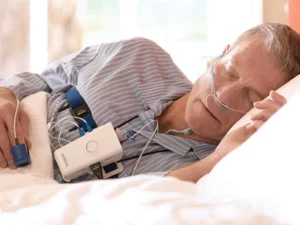
Most people will be offered either an in-lab overnight study or a home-based test. In-lab studies are more comprehensive and occur in a sleep clinic setting, while home studies usually focus on breathing and oxygen patterns.
A provider may recommend an in-lab study if symptoms are complex, if there are other suspected sleep disorders, or if previous home results were unclear. For many straightforward cases, a home option is a practical first step before a sleep test Canberra appointment in a clinic setting.
What should they do in the week before their appointment?
They should keep their usual sleep routine as much as possible, including typical bed and wake times. Sudden changes like staying up late to “sleep better” on test night can skew results.
If they are unwell with a cold or chest infection, they should call the clinic to ask whether rescheduling is better. They should also confirm any pre-test instructions provided for their specific sleep test Canberra appointment.
Should they stop any medications, caffeine, or alcohol beforehand?
They should not stop medications unless their doctor specifically instructs them to. Some medicines can affect sleep architecture or breathing, so clinics often prefer they keep their routine to capture a realistic night.
On test day, they may be asked to limit caffeine after lunchtime and avoid alcohol in the evening. Alcohol can worsen snoring and apnoea, which may change what the sleep test Canberra appointment shows.
What information should they prepare for the clinician?
They should be ready to describe symptoms and patterns, including how long issues have been happening and how often. It helps to note bedtime, wake time, naps, snoring reports, and any choking or gasping episodes.
They should also list medical conditions and medications, including over-the-counter products and supplements. Having this organised can make the sleep test Canberra appointment more efficient and clinically useful.
What should they pack if the study is in a Canberra clinic?
They should bring comfortable sleepwear, toiletries, and anything they normally use at bedtime, such as reading glasses or a book. Many people also pack a phone charger and a change of clothes for the morning.
If they use a dental splint, asthma puffer, or nighttime medications, they should bring those too. Packing thoughtfully reduces stress and helps their sleep test Canberra appointment feel closer to a normal night.
See Also : Melbourne Sleep Study Cost Differences Between Home and Lab Testing
What should they do differently for a home sleep study?
They should read the instructions carefully and ask questions before they leave the clinic or pharmacy pick-up point. A quiet evening at home with a normal routine is ideal.
They should also plan for device return, including timing and location in Canberra. A smooth setup and return process helps ensure their sleep test Canberra appointment produces usable data without needing a repeat night.
What happens when they arrive for an in-lab sleep study?
They usually check in during the evening and complete a short questionnaire about sleepiness, health history, and their typical sleep routine. A sleep technician then explains the equipment and answers questions.
The environment is designed for sleep, often with a private room and a comfortable bed. Knowing the steps ahead of time can make a sleep test Canberra appointment feel far less intimidating.
What sensors and equipment will they wear overnight?
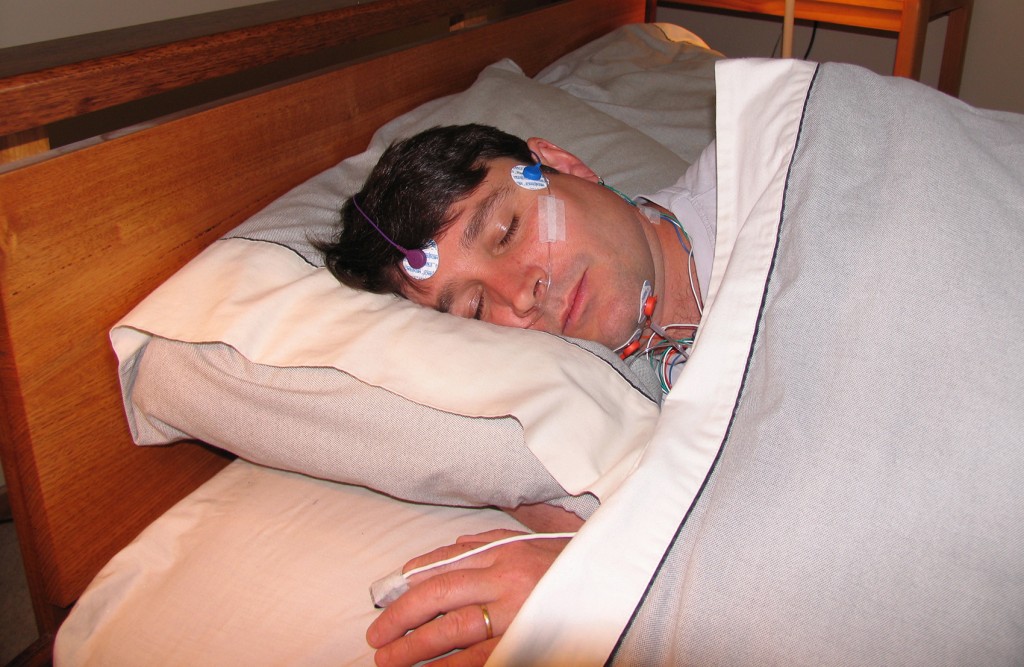
They can expect small sensors on the scalp, face, chest, and legs to measure brain activity, breathing effort, and movement. A finger probe measures oxygen levels, and airflow sensors track breathing through the nose and mouth.
Wires are typically bundled to allow turning in bed. While it can feel strange at first, most people fall asleep, and the sleep test Canberra appointment can still capture enough data even if sleep is lighter than usual.
Other Resources : Obstructive Sleep Apnea – StatPearls – NCBI Bookshelf
Will they be able to sleep normally with all the monitoring?
Sleep may be lighter or more broken than at home, but that is common and expected. Clinicians can still analyse breathing events, oxygen drops, and sleep stages even if total sleep time is reduced.
They should aim to relax and treat it like a regular night rather than forcing sleep. The goal of a sleep test Canberra appointment is to measure typical physiology, not perfection.
What should they wear and what should they avoid on the day?
They should wear comfortable clothes and choose sleepwear that allows sensors to be attached easily, such as a two-piece set. It helps to avoid heavy moisturisers, oils, or hair products because they can interfere with sensor adhesion.
They should also avoid nail polish or acrylics on at least one finger if possible, as the oxygen probe needs a clean reading. These small details can improve data quality during a sleep test Canberra appointment.
Can they eat dinner beforehand, and what about late-night snacks?
They can usually eat a normal dinner unless the clinic says otherwise. A lighter meal may feel more comfortable, especially for people with reflux, which can worsen when lying down.
If they need a snack, something simple is best, and they should avoid excessive sugar or large amounts of fluid late at night. Comfort matters because a sleep test Canberra appointment works best when their routine is close to normal.
What if they have anxiety about the test or sleeping away from home?
They should tell the clinic ahead of time, as staff are used to first-time nerves. Knowing the room setup, bathroom access, and monitoring process can reduce uncertainty.
They should avoid self-medicating with new sleep aids unless approved by their doctor. The clinic wants a true picture of sleep, and unmanaged anxiety should be discussed before the sleep test Canberra appointment.
What happens in the morning after the study?
The technician removes sensors, and they can usually leave early, often around typical workday hours. They might be asked a few questions about how they slept and whether anything unusual happened overnight.
They can generally drive home and continue their day unless they are extremely sleepy. After a sleep test Canberra appointment, many people feel relieved that the process was simpler than expected.
How long do results take and what do they typically show?
Results often take one to two weeks, depending on the provider and whether a specialist review is required. The report may include an apnoea-hypopnoea index (AHI), oxygen desaturation data, heart rate trends, and sleep stage information.
A clinician will interpret what the numbers mean for their symptoms and health risks. A sleep test Canberra appointment is only step one, with the key value coming from the follow-up plan.
What questions should they ask at follow-up in Canberra?
They should ask what diagnosis, if any, was found and how severe it is. They can also ask what treatment options suit their lifestyle, whether CPAP is recommended, and what support is available for mask fitting and troubleshooting.
It is reasonable to ask about costs, rebates, and equipment trials. A well-handled sleep test Canberra appointment should lead to clear next steps, not more confusion.
How can they improve the chances of an accurate test result?
They should aim for a typical day and night, with usual activity levels and a consistent routine. They should follow instructions about caffeine, alcohol, and device setup carefully.
If it is a home study, they should double-check sensor placement and ensure the device is running before sleep. A careful approach reduces the chance their sleep test Canberra appointment needs repeating.

What are the most common mistakes first-timers make?
A common mistake is changing routines drastically, such as going to bed hours earlier than usual or avoiding sleep the night before. Another is forgetting key items like medications or charging devices.
For home tests, people sometimes dislodge sensors during the night or fail to secure the nasal cannula properly. Avoiding these issues helps their sleep test Canberra appointment deliver a clear answer.
What should they remember most before their first appointment?
They should remember the test is designed to capture real sleep, not a perfect performance. Most people adjust quickly, and technicians are there to guide them through it.
With a normal routine, the right packing list, and a few practical precautions, their first sleep test Canberra appointment can be straightforward and genuinely helpful for long-term health.