They usually start looking into sleep testing after months of loud snoring, daytime fatigue, or a partner saying, “they stopped breathing again.” In Melbourne, the big practical question tends to be cost, and that cost often changes a lot depending on whether they choose a home study or an in-lab test.
This guide explains cost of sleep study Melbourne Differences Between Home and Lab Testing in plain terms, using Australian pathways like GP referrals, Medicare rebates, and private providers.
What is the real difference between a home sleep study and a lab sleep study?
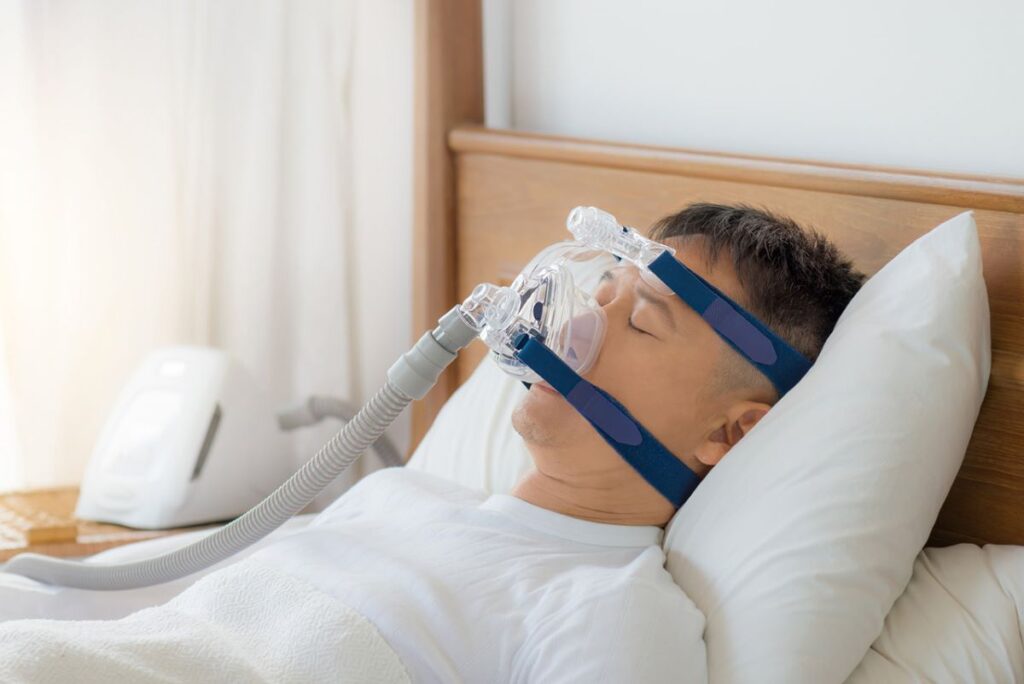
A home sleep study is typically done in their own bed using a portable monitor that records breathing, oxygen levels, and airflow. A lab sleep study is performed overnight in a sleep clinic where trained staff monitor a larger set of signals, often including brain activity.
When people compare Melbourne Sleep Study Cost Differences Between Home and Lab Testing, the price gap usually reflects staffing, facility overheads, and the type of data collected.
Why do Melbourne sleep study prices vary so much?
Prices vary because providers bundle different inclusions, such as specialist reporting speed, follow-up appointments, and equipment quality. Costs also change based on whether they go through the public system, use a private clinic, or choose a direct-to-consumer home test.
For Melbourne Sleep Study Cost Differences Between Home and Lab Testing, the same “type” of test can still differ by hundreds of dollars depending on what is included.
How much does a home sleep study cost in Melbourne?
A home sleep study in Melbourne commonly ranges from a few hundred dollars to around the low four figures, depending on the provider and what they include. Some clinics offer simplified screening at a lower cost, while others provide more comprehensive home-based studies with faster reporting.
When analysing Melbourne Sleep Study Cost Differences Between Home and Lab Testing, home testing is usually cheaper upfront, but they should confirm whether the price includes interpretation by a sleep physician and a written report.
How much does an in-lab sleep study cost in Melbourne?
In-lab studies in Melbourne are typically more expensive because they require overnight staffing, a monitored room, and more complex recording equipment. Costs can move significantly if they are self-funding privately, staying in a hospital-based lab, or paying for added services.
For Melbourne Sleep Study Cost Differences Between Home and Lab Testing, the lab option is often the higher-cost choice, but it can be better value if their symptoms suggest a more complex sleep disorder.
What does Medicare usually cover for sleep studies in Australia?
Medicare can subsidise certain sleep studies when they are medically indicated and arranged through appropriate clinical pathways. In practice, this often means a GP assesses symptoms, then refers them to a sleep specialist or respiratory physician who arranges testing.
People comparing Melbourne Sleep Study Cost Differences Between Home and Lab Testing should know that rebates depend on the type of study, setting, and item eligibility, so the final out-of-pocket cost can differ widely.
Does private health insurance change the out-of-pocket cost?
Private health insurance may reduce some hospital or facility charges for an in-lab study, depending on their level of cover, waiting periods, and whether the sleep lab is contracted. It usually does not remove all costs, since specialist fees and reporting can still attract gaps.
When weighing Melbourne Sleep Study Cost Differences Between Home and Lab Testing, they should ask their insurer what is covered for overnight sleep studies, including any excess, co-payments, and exclusions.
What gets measured in a home test versus a lab test, and why does that affect cost?
Home studies commonly measure breathing and oxygen signals that help diagnose obstructive sleep apnoea. Lab studies can add EEG brain waves, eye movements, leg movements, and more detailed respiratory signals, helping diagnose a broader set of disorders.
This difference in complexity is a core driver of Melbourne Sleep Study Cost Differences Between Home and Lab Testing, because more sensors, more staff time, and more detailed scoring generally cost more.

Who is home testing best suited to in Melbourne?
Home testing often suits people with a high likelihood of obstructive sleep apnoea, such as loud habitual snorers with witnessed pauses in breathing and significant daytime sleepiness. It can also suit those who sleep poorly outside home, have caring responsibilities, or want a quicker setup.
For Melbourne Sleep Study Cost Differences Between Home and Lab Testing, home testing can be the pragmatic first step when their symptoms are straightforward and the goal is to confirm sleep apnoea.
Who is lab testing best suited to in Melbourne?
Lab testing is often recommended when symptoms suggest something beyond typical obstructive sleep apnoea, or when earlier testing was unclear. It can also be helpful if they have significant comorbidities or suspected movement disorders, parasomnias, central sleep apnoea, or seizures in sleep.
In terms of Melbourne Sleep Study Cost Differences Between Home and Lab Testing, the higher lab cost can make sense when a clearer diagnosis reduces delays, repeat testing, or incorrect treatment.
Can a cheaper home sleep study end up costing more later?
Yes, it can if the home test is too limited for their situation, leads to an inconclusive result, or misses another disorder. If they then need a lab study anyway, they may pay twice and lose time while symptoms continue.
This is a common hidden factor within Melbourne Sleep Study Cost Differences Between Home and Lab Testing, because the cheapest option is not always the lowest total cost across the full diagnostic pathway.
Other Resources : Testing for COVID-19
What extra costs should they expect beyond the sleep study itself?
They may also pay for GP visits, specialist consultations, report interpretation, and follow-up appointments. If diagnosed with sleep apnoea, there can be added costs for CPAP trials, mask fitting, ongoing consumables, and review appointments.
When people focus only on Melbourne Sleep Study Cost Differences Between Home and Lab Testing, they can miss that treatment and follow-up are often where the longer-term spending sits.
Do Melbourne providers bundle the sleep study with CPAP trials or equipment?
Some providers bundle testing, results review, and a CPAP trial period, while others separate each step. Bundles can be convenient and sometimes cheaper overall, but they can also steer them toward a particular equipment pathway.
Within Melbourne Sleep Study Cost Differences Between Home and Lab Testing, bundled offers should be checked for what is included, what is optional, and whether they can take the prescription elsewhere if they want to shop around.
How do wait times in Melbourne affect the overall value?
Public and hospital-based pathways can involve longer waits, especially for in-lab studies. Private home testing is often faster to arrange, which can matter if their safety is affected, such as driving fatigue, workplace risk, or severe symptoms.
For Melbourne Sleep Study Cost Differences Between Home and Lab Testing, time has a cost too, so they should consider whether paying more now reduces lost productivity, accident risk, or prolonged poor health.
What questions should they ask a Melbourne clinic before booking?
They should ask what type of study it is, what signals are recorded, who reads the study, and whether a sleep physician signs the report. They should also confirm the full price, any Medicare rebate estimates, and what follow-up looks like.
If they are comparing Melbourne Sleep Study Cost Differences Between Home and Lab Testing, these questions help them compare like-for-like rather than comparing a low headline price to a more complete service.
How can they choose the most cost-effective option for their situation?
They can start by matching test type to symptom complexity. If their symptoms are classic obstructive sleep apnoea and they want speed, a quality home study with proper medical reporting may be cost-effective. If their symptoms are unusual, severe, or previously inconclusive, lab testing can be a smarter spend.
For Melbourne Sleep Study Cost Differences Between Home and Lab Testing, the most cost-effective option is usually the one that delivers a clear diagnosis the first time and leads to an appropriate treatment plan.

What is a simple decision checklist they can use?
They can use a short checklist to guide the choice:
- Do they have strong signs of obstructive sleep apnoea, such as loud snoring and witnessed apnoeas?
- Do they need a fast result due to driving or work safety?
- Have they had an inconclusive test before?
- Do they have complex symptoms, neurological concerns, or significant medical conditions?
- Are they trying to minimise total pathway costs, not just the test fee?
This checklist helps them interpret Melbourne Sleep Study Cost Differences Between Home and Lab Testing in a way that fits their real needs, not just a price tag.
What is the practical takeaway on Melbourne sleep study costs?
Home testing is often cheaper upfront and suits straightforward suspected obstructive sleep apnoea. Lab testing costs more, but it can provide broader data and reduce the risk of needing repeat testing.
The best outcome from Melbourne Sleep Study Cost Differences Between Home and Lab Testing is not finding the cheapest test, but choosing the right level of testing for their symptoms, budget, and timeline.
More to Read : What Equipment Is Used During a Sleep Test Hobart Clinics Provide?